


Call us and get your quote!
10% Off Your First Custom Part
-Start Today!
Send your drawings for a free review and quick quote. Our engineers are here to help.
ISO certified | Fast delivery | Factory Direct

An as machined finish is the standard surface condition directly after CNC milling or turning without additional treatment. It provides consistent dimensional accuracy, visible tool marks, and cost-effective production. This finish is commonly used for prototypes, internal components, and functional parts where appearance and enhanced surface protection are not primary requirements.
Mechanical surface finishing uses physical processes to modify CNC machined surfaces, improve texture, remove machining marks, and achieve specific roughness levels. These treatments include bead blasting, polishing, brushing, sanding, and tumbling. They are widely used for aluminum, stainless steel, titanium, brass, and plastic components across multiple industries.
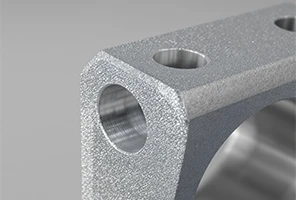
Bead blasting is a CNC surface finishing process that uses glass beads or ceramic media to create a uniform matte texture. It removes minor machining marks, improves surface consistency, and enhances coating adhesion. This finish is commonly applied to aluminum, stainless steel, and titanium parts used in aerospace, automotive, and consumer electronics.
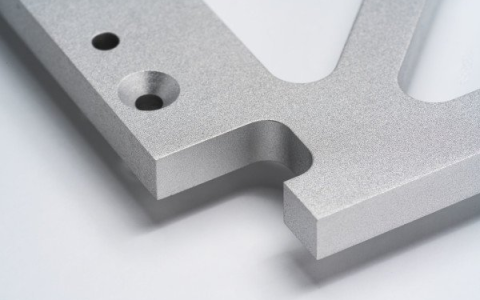
Sand blasting uses abrasive particles to clean, texture, and prepare CNC machined surfaces. It effectively removes oxidation, contaminants, and surface imperfections while creating a controlled roughness profile. This finishing method is suitable for industrial components, metal structures, and parts requiring improved coating adhesion or surface preparation.
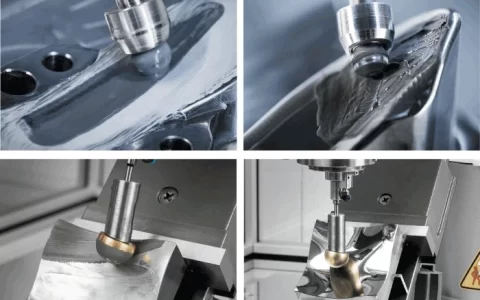
Polishing improves CNC machined part appearance by reducing surface roughness and creating a smooth, reflective finish. This process enhances aesthetics, reduces friction, and improves cleanability. CNC polishing is commonly used for medical devices, precision components, decorative parts, and applications requiring a high-quality surface appearance.
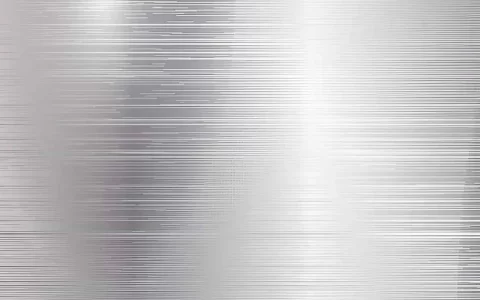
A brushed finish creates consistent directional lines on CNC machined surfaces through abrasive processing. It provides a satin appearance while reducing visible fingerprints and minor scratches. This surface treatment is frequently used for stainless steel and aluminum components in electronics, appliances, architectural products, and consumer equipment.
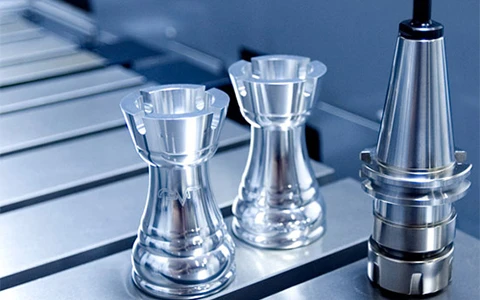
Tumbling is a mechanical finishing process that smooths edges, removes burrs, and improves surface consistency by rotating parts with abrasive media. It is ideal for small CNC components requiring efficient deburring and edge refinement. Tumbling helps reduce manual finishing time while maintaining reliable production quality.
Electrochemical surface finishing uses electrical and chemical reactions to enhance CNC machined parts with improved hardness, corrosion resistance, and surface performance. Common processes include anodizing and electropolishing. These treatments are especially popular for aluminum and stainless steel components used in aerospace, medical, electronics, and industrial applications.
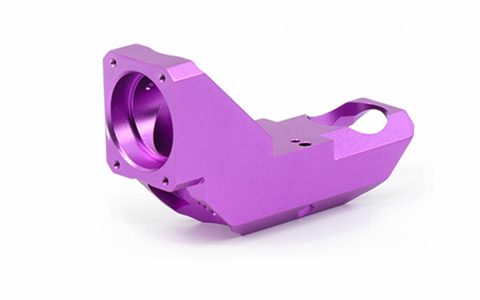
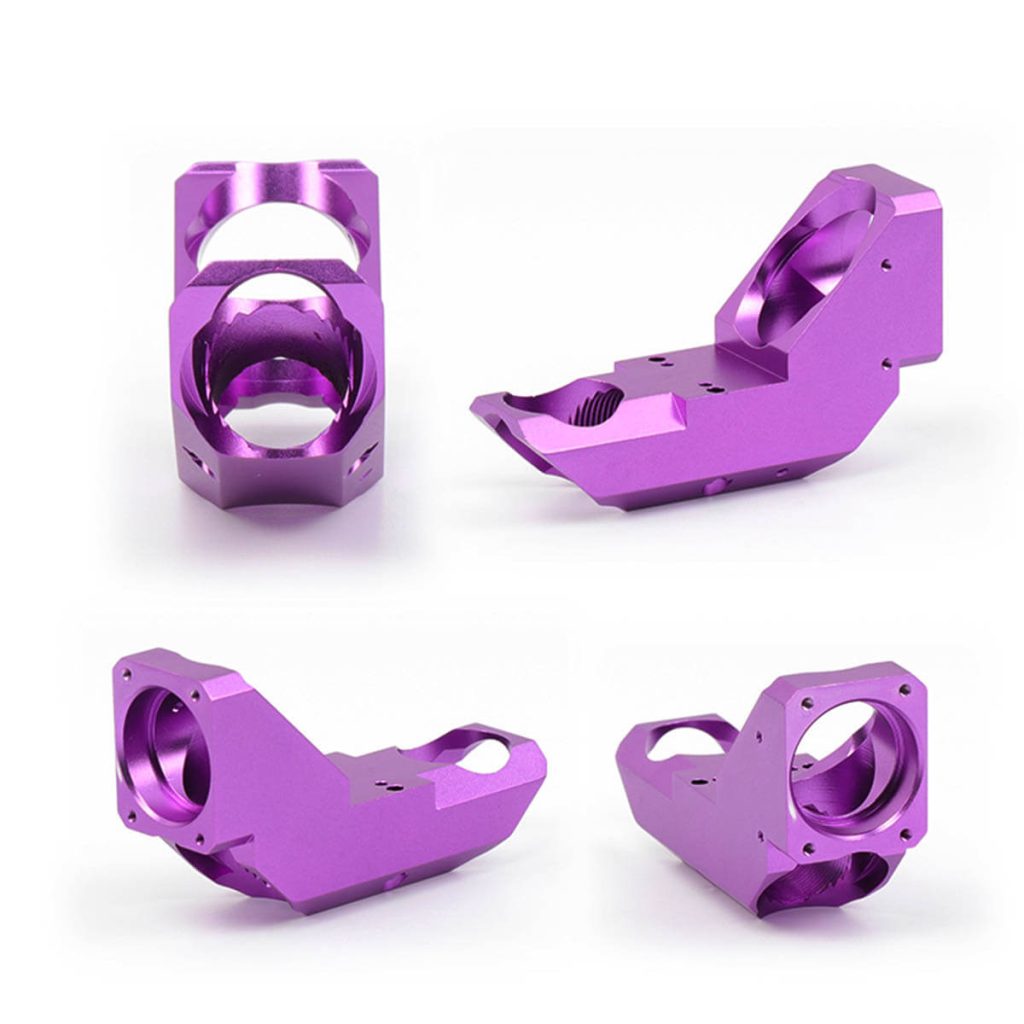
Anodizing creates a durable oxide layer on aluminum CNC parts to improve corrosion resistance, hardness, and appearance. Type II anodizing provides decorative protection with color options, while Type III hard anodizing offers enhanced wear resistance. It is widely used for aerospace, automotive, electronics, and precision aluminum components.
Resists rust and
chemical damage
Improves surface
durability
Multiple colors for
custom appearance
Maintains tight
tolerances
Electropolishing removes microscopic surface imperfections from CNC machined metal parts through an electrochemical process. It creates a smooth, clean, and corrosion-resistant surface. This finish is commonly used for stainless steel medical devices, semiconductor equipment, and applications requiring improved hygiene, reduced friction, and easy cleaning.
Reduces roughness
and microburrs
Enhances stainless
steel performance
Ideal for medical and
food-grade use
Improves fluid flow ,
reduces friction
Chemical surface treatments modify CNC machined parts through controlled chemical reactions to improve corrosion resistance, durability, and surface protection. Processes such as passivation, black oxide, and Alodine coating are commonly selected for stainless steel, aluminum, and steel components used in demanding industrial applications.
Coating surface finishes add protective layers to CNC machined components to improve corrosion resistance, durability, appearance, and functional performance. Popular coating options include powder coating, painting, and PTFE coating. These solutions are suitable for industrial equipment, outdoor applications, mechanical assemblies, and customized product designs.
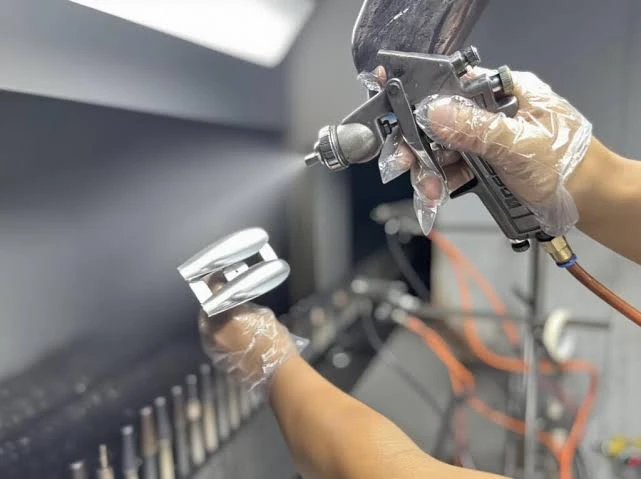
Provides durable protection, corrosion resistance, impact strength, and customizable colors for CNC machined components.
Offers low friction, chemical resistance, and wear protection for smooth, reliable component performance.
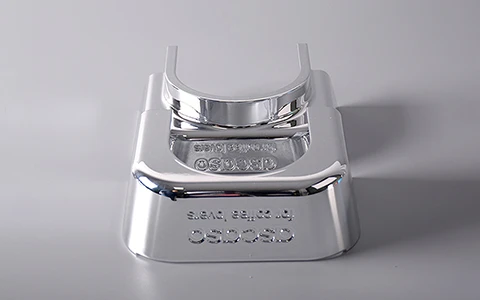
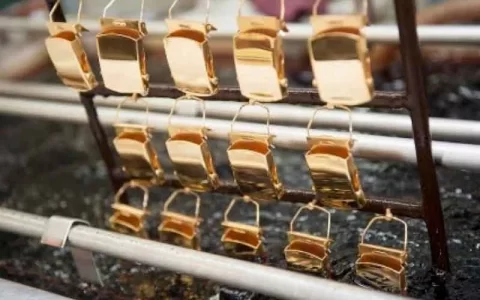
Electroplating deposits a protective metal layer onto CNC machined parts through an electrochemical process. Common coatings include nickel, zinc, chrome, and gold plating. These finishes improve corrosion resistance, hardness, electrical conductivity, and appearance, making them suitable for precision components and high-performance industrial applications.
Thermal surface treatments modify the mechanical properties of CNC machined components through controlled heating and cooling processes. These treatments improve hardness, strength, wear resistance, and fatigue performance. They are commonly applied to steel and alloy parts used in automotive, aerospace, machinery, and high-load industrial environments.
Heat treatment changes the internal structure of CNC machined metals to improve strength, hardness, toughness, and durability. Processes such as annealing, hardening, and tempering help optimize material performance. Heat-treated components are widely used in gears, shafts, tooling, and mechanical parts exposed to heavy loads.
Nitriding is a thermal surface treatment that introduces nitrogen into metal surfaces to create a hard, wear-resistant layer. It improves fatigue strength, corrosion resistance, and service life without significant dimensional changes. This process is commonly used for gears, shafts, molds, and precision mechanical components.
Send your drawings for a free review and quick quote. Our engineers are here to help.
ISO certified | Fast delivery | Factory Direct