


Call us and get your quote!
10% Off Your First Custom Part
-Start Today!
Send your drawings for a free review and quick quote. Our engineers are here to help.
ISO certified | Fast delivery | Factory Direct

Alodine, also known as chem film or chromate conversion coating, is a chemical surface treatment primarily used on aluminum and aluminum alloys. It improves corrosion resistance, supports paint and primer adhesion, and can maintain electrical conductivity when applied as a thin conversion coating, making it suitable for precision CNC machined components.
Alodine works through a chemical conversion reaction between the treatment solution and the aluminum surface. Instead of depositing a conventional thick coating, the process transforms the existing surface into a thin protective conversion layer.
This provides corrosion protection while causing minimal dimensional change, making Alodine suitable for aluminum CNC parts with tight dimensional requirements.
A typical Alodine process includes cleaning, rinsing, deoxidizing, applying the conversion coating, rinsing, and drying. Proper surface preparation removes oils, contaminants, and oxides so the conversion coating can form consistently across the aluminum surface.
No. Alodine is a very thin chemical conversion coating and normally causes minimal dimensional change. This makes it suitable for precision aluminum components where maintaining existing CNC machining tolerances is important.
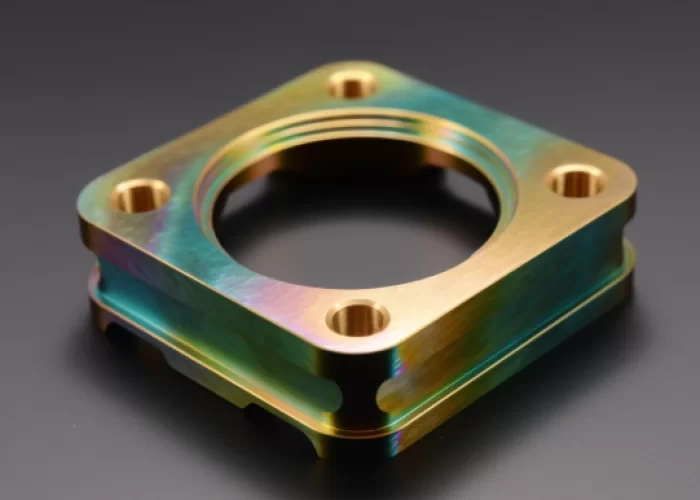
Alodine provides several functional benefits for aluminum CNC machined components, including corrosion protection, improved paint adhesion, electrical conductivity, and minimal dimensional change.
It is particularly useful when a part needs surface protection without the dimensional buildup associated with thicker coatings.
Alodine creates a protective conversion layer on the aluminum surface that helps reduce corrosion. It is commonly used for aluminum components exposed to moisture, humidity, salt spray, and other environmental conditions.
The level of protection depends on the specific Alodine chemistry, coating class, surface preparation, and application requirements.
Yes. Thin chem film coatings can maintain electrical conductivity on aluminum parts. This characteristic is particularly useful for components that require both corrosion protection and electrical bonding or grounding.
Under MIL-DTL-5541, Class 3 chem film is commonly associated with applications where low electrical resistance is important.
Yes. Alodine provides a suitable surface for primers, paints, and other organic coatings. The conversion layer improves the ability of subsequent coatings to adhere to the aluminum substrate.
This makes chem film useful as a pretreatment before painting or powder coating.
Alodine causes minimal dimensional change because it converts the existing aluminum surface rather than adding a conventional thick coating. This makes it a practical finish for precision CNC machined parts with tight tolerances.
Alodine and chromate conversion coatings are primarily used on aluminum and aluminum alloys. The specific chemistry should be selected according to the alloy, required corrosion protection, conductivity, appearance, and applicable specification.
| Material | Alodine Suitability | Typical Purpose |
|---|---|---|
| 6061 Aluminum | Excellent | General CNC components |
| 7075 Aluminum | Excellent | Aerospace and high-strength parts |
| 2024 Aluminum | Excellent | Aerospace components |
| 5052 Aluminum | Excellent | Enclosures and sheet metal parts |
| 6082 Aluminum | Good | Industrial CNC components |
| Other Aluminum Alloys | Application dependent | Corrosion protection and coating preparation |
Yes. 6061 aluminum is widely used for CNC machined components and can receive chromate conversion coating to improve corrosion resistance while maintaining dimensional stability.
Yes. Alodine is commonly used on high-strength aluminum alloys such as 7075 when corrosion protection and electrical bonding are required.
Alodine is primarily associated with aluminum and aluminum alloys. Stainless steel normally requires a different surface treatment, such as passivation or another application-specific finish.
Alodine and chem film specifications can vary according to chemistry and performance requirements. MIL-DTL-5541 is a commonly referenced specification for chemical conversion coatings on aluminum and aluminum alloys.
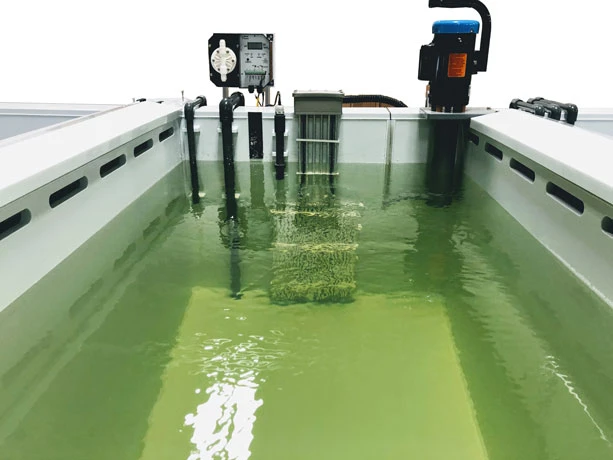
Type 1 chem film refers to coatings containing hexavalent chromium. These coatings have historically been used where high corrosion protection is required.
Because hexavalent chromium is subject to environmental and regulatory restrictions, the appropriate chemistry and compliance requirements should be confirmed before production.
Type 2 chem film refers to hexavalent-chromium-free conversion coating systems, commonly based on trivalent chromium or other approved chemistries.
Type 2 processes are increasingly used when customers require alternatives to hexavalent chromium while maintaining corrosion protection and other functional requirements.
Class 1A generally prioritizes corrosion protection, while Class 3 is used when lower electrical resistance and conductivity are important.
The correct class depends on the part’s operating environment and functional requirements rather than simply its appearance.
The Alodine process uses controlled chemical treatment to convert the aluminum surface into a thin protective film.
A typical process is:
Cleaning → Rinsing → Deoxidizing → Chem Film Application → Rinsing → Drying → Inspection
The exact number of stages and chemical parameters can vary depending on the selected chemistry, aluminum alloy, part geometry, and required specification.
Before chem film treatment, aluminum parts should be thoroughly cleaned and deoxidized. Removing oil, machining residue, oxides, and other contaminants helps produce a consistent conversion coating.
Surface preparation is particularly important for CNC machined parts because cutting fluids and handling contaminants can affect coating uniformity.
Alodine can be applied through methods such as immersion, spraying, brushing, or other controlled application processes depending on the part geometry and production requirements.
Rinsing removes residual processing chemicals from the part surface and helps stabilize the conversion coating. Controlled rinsing is an important part of achieving consistent surface quality.
Alodine appearance depends on the specific chemistry, coating class, aluminum alloy, and processing conditions.
Traditional chromate conversion coatings can produce yellow, gold, iridescent, or similar appearances, while some newer trivalent or hexavalent-chromium-free systems can produce clearer or less strongly colored finishes.
The final appearance should therefore be specified according to the required process and applicable standard rather than relying only on color.
Alodine and anodizing are both commonly used for aluminum CNC machined parts, but they use different surface treatment mechanisms and provide different performance characteristics.
| Feature | Alodine / Chem Film | Anodizing |
| Process | Chemical conversion | Electrochemical |
| Common Material | Aluminum | Aluminum |
| Dimensional Change | Minimal | Higher |
| Corrosion Protection | Good | Generally higher |
| Electrical Conductivity | Can be maintained | Generally reduced |
| Paint Adhesion | Excellent | Good |
| Typical Use | Aerospace, electronics, precision parts | Consumer, automotive, industrial parts |
| Main Advantage | Conductivity + corrosion protection | Durable oxide layer |
Alodine is often preferred when corrosion protection and electrical conductivity are both important, while anodizing is commonly selected when a harder and more durable oxide layer is required.
Alodine is widely used in industries that require corrosion-resistant aluminum components while maintaining dimensional accuracy and, in selected applications, electrical conductivity.
Aerospace components frequently use chem film on aluminum parts where corrosion protection, paint adhesion, electrical bonding, and dimensional stability are important.
Alodine can be used on aluminum housings, brackets, enclosures, and other components where corrosion protection and electrical conductivity are required.
Selected aluminum automotive components can use chem film as a corrosion-resistant pretreatment or as part of a larger coating system.
Chem film is suitable for aluminum components used in demanding industrial and defense applications where surface protection and reliable performance are required.
Common Alodine applications include:
The process is particularly valuable when the part requires corrosion protection without significantly changing its original dimensions.
Alodine is well suited to precision CNC machining because its conversion layer is extremely thin and produces minimal dimensional buildup.
For tight-tolerance components, manufacturers should still consider the complete production sequence:
CNC Machining → Deburring → Cleaning → Alodine → Sealing → Final Inspection
Critical functional surfaces can also be masked when the drawing requires specific areas to remain untreated.
Alodine is generally applied after the required machining and surface preparation operations. The final treatment should be planned around the finished geometry, required surface condition, masking requirements, and inspection criteria.
Yes. Its minimal dimensional impact makes chem film particularly suitable for precision aluminum components where conventional thicker coatings could affect fits or interfaces.
A clear Alodine specification should define the material, required coating type or class, applicable standard, conductivity requirements, corrosion protection requirements, and masking areas.
A typical drawing specification may include:
For aerospace and other regulated applications, the required specification and revision should be confirmed before production.
| Advantages | Limitations |
| Excellent corrosion protection for aluminum | Primarily used for aluminum and selected metals |
| Minimal dimensional change | Not as hard as anodizing |
| Can maintain electrical conductivity | Performance depends on coating class |
| Excellent paint and primer adhesion | Color options are limited |
| Suitable for tight-tolerance parts | Chemical compliance requirements vary |
| Lightweight surface treatment | Not ideal for severe wear applications |
The main advantages are corrosion protection, excellent paint adhesion, minimal dimensional change, and the ability to maintain electrical conductivity in appropriate thin coatings. These characteristics make Alodine especially useful for aerospace, electronics, and precision aluminum CNC components.
Alodine is not designed to provide the same surface hardness or wear resistance as treatments such as hard anodizing. The appropriate chemistry must also be selected according to environmental and regulatory requirements, particularly when chromium-containing processes are involved.
Kintec Machining combines precision CNC machining with secondary surface finishing to provide production-ready aluminum components.
Our capabilities include:
Our engineers can review your CAD files, aluminum alloy, tolerances, coating requirements, electrical conductivity requirements, and application to help determine an appropriate Alodine finishing solution.
.
Choose Alodine when your aluminum CNC components require corrosion protection, electrical conductivity, paint adhesion, and minimal dimensional change.
Send your CAD files and technical drawings to Kintec Machining for a customized CNC machining and Alodine chem film finishing solution.
Send your drawings for a free review and quick quote. Our engineers are here to help.
ISO certified | Fast delivery | Factory Direct