


What Is Polishing Surface Finish?
Polishing is a surface finishing process that uses abrasive compounds, polishing wheels, and specialized techniques to smooth CNC machined parts and create a high-quality surface appearance. This process removes machining marks, scratches, and surface imperfections while improving smoothness, reflectivity, and overall part aesthetics.
Key benefits include:
• Creates a smooth and mirror-like surface finish
• Removes machining marks and surface imperfections
• Improves corrosion resistance and surface cleanliness
• Enhances product appearance and aesthetics
• Suitable for precision CNC machined components
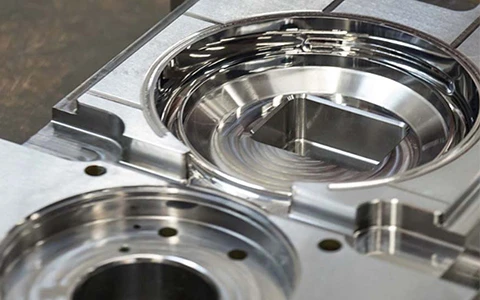
Polishing is widely used for CNC machined components because it improves surface quality, enhances visual appearance, and provides functional benefits for industries including aerospace, automotive, medical, electronics, and consumer products.
What Types of Polishing Methods Are Used for CNC Parts?
Different polishing methods create different surface finishes, roughness levels, and performance characteristics. The selection depends on material type, required surface quality, production volume, and application requirements.
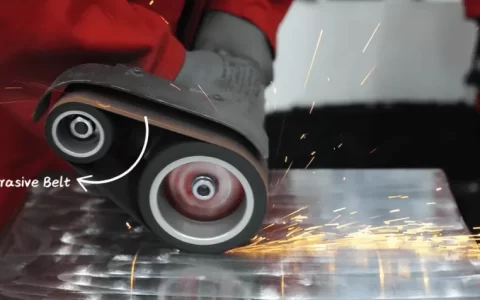
Mechanical Polishing
Mechanical polishing uses abrasive tools, polishing wheels, and compounds to remove surface imperfections and create smooth finishes. It is commonly used for metal CNC parts requiring improved appearance and reduced surface roughness.
Applications
- Aluminum CNC parts
- Stainless steel components
- Precision mechanical parts
- Decorative metal products
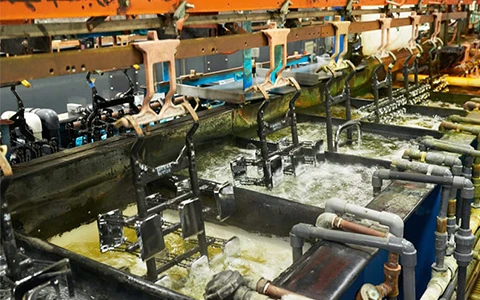
Electrolytic Polishing
Electrolytic polishing uses an electrochemical process to remove a thin surface layer from metal components. It improves surface smoothness, cleanliness, and corrosion resistance, making it ideal for medical and high-precision applications.
Applications
- Medical devices
- Stainless steel components
- Pharmaceutical equipment
- Food processing parts
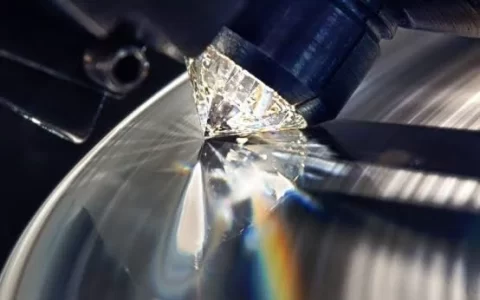
Diamond Polishing
Diamond polishing uses fine diamond abrasives to achieve extremely smooth and high-gloss finishes. It is commonly used for precision components requiring low surface roughness and superior appearance.
Applications
- Optical components
- Mold components
- Precision machined parts

Brushing and Satin Polishing
Brushing and satin polishing create a consistent directional texture while improving surface appearance. This finish is commonly selected for industrial and consumer products requiring a modern appearance.
Applications
- Electronic housings
- Appliance components
- Consumer products
What Industries Use Polishing Surface Finishing?
Polishing is widely adopted across industries that require smooth, clean, and visually attractive CNC machined components. Manufacturers use polishing to improve surface performance, appearance, and product quality.
01
Aerospace Industry
Aerospace manufacturers use polishing for aluminum, titanium, and stainless steel components because it improves surface smoothness while maintaining strict dimensional requirements.
Aircraft brackets
Engine components
Structural parts
02
Medical Device Industry
Polishing creates smooth and hygienic surfaces for medical equipment and surgical components. It helps reduce surface roughness and improves cleaning performance.
Surgical instruments
Medical housings
Implant components
03
Automotive Industry
Automotive manufacturers use polishing to improve the appearance and performance of precision components, especially parts requiring decorative or smooth surface finishes.
Engine parts
Transmission components
Custom automotive parts
03
Electronics Industry
Polishing provides premium surface finishes for electronic housings and consumer products where appearance and smooth touch surfaces are important.
Laptop frames
Device enclosures
Heat sinks
What Materials Can Be Polished?
Polishing is compatible with a wide range of CNC machining materials. The polishing method and abrasive selection are adjusted according to material hardness, surface requirements, and final application.
| Material | Polishing Result | Common Applications |
|---|---|---|
What CNC Manufacturing Services Use Polishing?
Polishing can be applied to different manufacturing processes, including CNC machining, sheet metal fabrication, and rapid prototyping. It helps manufacturers achieve premium surface quality before assembly, coating, or final delivery.
01 · CNC MACHINING
CNC Machining Polishing Service
Polishing is commonly applied to CNC milled and turned parts to remove machining marks and achieve smooth, high-quality surface finishes.
Supported Processes
Precision machining
02 · SHEET METAL
Sheet Metal Polishing Service
Sheet metal parts often require polishing to improve appearance, remove surface defects, and create decorative or functional finishes
Applications
Metal enclosures
Machine covers
Industrial panels
03 · RAPID PROTOTYPING
Rapid Prototyping Surface Finishing
Polishing improves prototype appearance and helps engineers evaluate the final product design before mass production.
Common Polishing Problems and How to Solve Them
Although polishing is an effective surface finishing process, improper polishing parameters can cause uneven finishes, scratches, or surface defects. Understanding common issues helps ensure consistent CNC part quality.
Why Does Polishing Create Uneven Surface Finish?
Causes
• Uneven polishing pressure
• Incorrect abrasive selection
• Inconsistent polishing direction
Solutions
• Control polishing pressure
• Select suitable polishing compounds
• Use professional polishing equipment
Can Polishing Affect CNC Part Dimensions?
Cause
Excessive polishing time, aggressive abrasives, or improper processing methods may remove small amounts of material and affect critical part dimensions.
Solutions
• Control polishing time and process parameters
• Protect precision tolerance areas before polishing
• Use controlled polishing methods for tight-tolerance CNC components
Why Do CNC Parts Have Scratches After Polishing?
Cause
• Incorrect abrasive grit size
• Contaminated polishing tools
• Improper polishing sequence
Solutions
• Use multiple polishing stages from coarse to fine abrasives
• Keep polishing tools clean and properly maintained
• Select the correct abrasive grade based on material requirements and finish expectations
How Can Manufacturers Achieve a Consistent Polishing Finish?
Causes
• Manual process variation
• Inconsistent polishing pressure
• Incorrect surface preparation before polishing
Solutions
• Standardize polishing procedures
• Use experienced technicians and controlled equipment
• Perform proper surface preparation before final polishing
Get High-Quality CNC Parts With Professional Polishing Finish
Need CNC machined components with a smooth, premium, and high-quality surface finish? Kintec Machining provides precision CNC machining and professional polishing services for prototypes, low-volume production, and custom industrial parts. Our finishing solutions help improve appearance, surface performance, and product reliability.