


Uniform satin appearance, corrosion-resistant surface preparation
Medical, industrial

Bead blasting is a surface finishing process that uses high-pressure air to propel fine abrasive media, such as glass beads or ceramic beads, onto CNC machined parts. This process removes machining marks, oxidation, and surface imperfections while creating a uniform matte or satin texture.
Key benefits include:
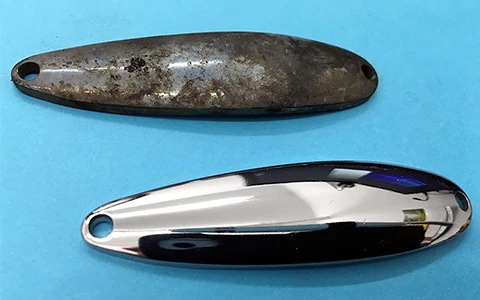
Bead blasting is widely used for CNC machined components because it improves surface appearance, enhances paint and coating adhesion, and provides consistent finishes for industries including aerospace, automotive, medical, and electronics.
Different bead blasting media create different surface textures, roughness levels, and performance characteristics. The selection depends on the material, required finish, and application requirements.
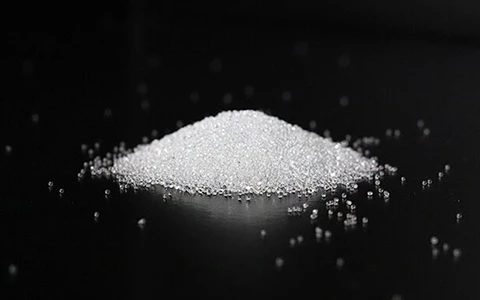
The most common bead blasting method for CNC machining. Uses spherical glass beads to create a smooth, satin-like finish without significantly damaging the part surface.
Applications
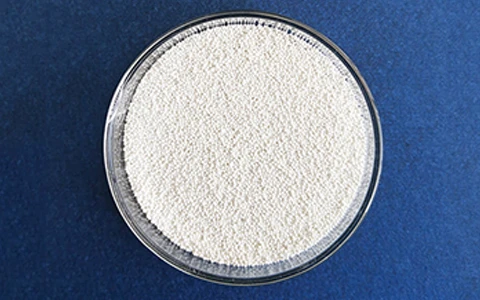
Uses durable ceramic particles to achieve a finer and more controlled surface texture. Commonly used for precision components requiring consistent roughness.
Applications

Uses softer abrasive materials to clean or finish delicate surfaces without causing dimensional changes.
Applications
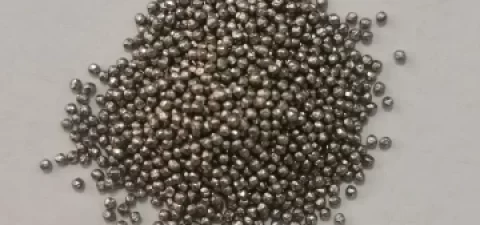
Provides stronger impact force and is mainly used for heavy-duty cleaning, rust removal, and surface preparation.
Applications
Bead blasting is widely adopted across industries that require both functional performance and attractive surface appearance. CNC manufacturers use bead blasting to improve part quality, consistency, and durability.
01
Aerospace manufacturers use bead blasting for aluminum, titanium, and stainless steel components because it provides a uniform finish while maintaining strict dimensional requirements.
Aircraft brackets
Engine components
Structural parts
02
Bead blasting creates clean, non-reflective surfaces for medical equipment and surgical components.
03
Automotive manufacturers use bead blasting to improve the appearance and surface preparation of precision components.
03
Bead blasting provides a premium matte finish for electronic housings and consumer products.
Bead blasting is compatible with a wide range of CNC machining materials. The choice of blasting media and pressure must be adjusted according to material hardness and surface requirements.
| Material | Bead Blasting Result | Common Applications |
|---|---|---|
Uniform satin appearance, corrosion-resistant surface preparation
Medical, industrial
Bead blasting can be applied to different manufacturing processes, including CNC machining, sheet metal fabrication, and rapid prototyping. It helps manufacturers achieve consistent surface quality before final assembly or coating.
01 · CNC MACHINING
Bead blasting is commonly applied to CNC milled and turned parts to remove machining marks and create a uniform surface finish.
Supported Processes
Precision machining
02 · SHEET METAL
Sheet metal parts often require bead blasting to improve appearance and prepare surfaces for additional coatings.
Applications
Metal enclosures
Machine covers
Industrial panels
03 · RAPID PROTOTYPING
Bead blasting improves prototype appearance and helps engineers evaluate final product designs before mass production.
Although bead blasting is a reliable surface finishing process, improper blasting parameters can cause surface defects. Understanding common issues helps ensure consistent CNC part quality.
Excessive blasting pressure or aggressive media may remove small amounts of material.
Improper bead blasting before anodizing may cause inconsistent anodizing colors or surface defects.
Bead blasting typically creates a uniform matte surface with roughness values depending on media type, pressure, and processing time.
Yes. Glass bead blasting is commonly used for aluminum CNC parts because it creates a smooth cosmetic finish without significantly affecting dimensions.
Bead blasting itself does not create a corrosion-resistant layer, but it can improve surface preparation before anodizing, painting, or coating.
Processing time depends on part size, material, surface requirements, and production volume. Most CNC components can be finished within minutes to hours.
Get precision CNC machined parts with consistent bead blasted finishes from our experienced manufacturing team. We support CNC milling, CNC turning, 5-axis machining, and custom surface finishing for prototypes and low-volume production.
Send your drawings for a free review and quick quote. Our engineers are here to help.
ISO certified | Fast delivery | Factory Direct