A part that rusts in the field usually didn’t fail because of the base material — it failed because the wrong finish, or no finish at all, was specified for the environment it ended up in. Finishes that prevent rust in metal parts work through different mechanisms depending on the base metal, and picking the wrong one for the application is one of the most common, and most avoidable, sourcing mistakes on a machined parts drawing. This guide compares the finishes actually used to prevent corrosion, and how to match one to your part.
Why Rust Prevention Depends on the Base Metal, Not Just the Coating
Corrosion happens when a metal surface reacts with oxygen and moisture in its environment. Different finishing methods interrupt that reaction differently — some build a protective oxide layer on the metal itself, others add a barrier coating on top, and some remove surface contaminants that would otherwise accelerate corrosion. The right choice depends heavily on whether the base part is aluminum, steel, or stainless steel.
Comparing Finishes That Prevent Rust in Metal Parts
| Finish | Best Base Metal | How It Works | Typical Use Case |
|---|---|---|---|
| Anodizing | Aluminum | Electrochemically thickens the natural oxide layer | Enclosures, brackets, cosmetic + corrosion protection |
| Passivation | Stainless steel | Removes free iron, restores chromium oxide layer | Medical, food-grade, marine components |
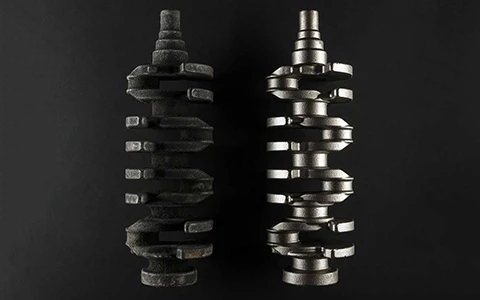
| Black oxide | Carbon & alloy steel | Converts surface to magnetite layer, sealed with oil | Fasteners, tools, low-cost mild protection |
| Zinc / nickel plating | Steel | Sacrificial or barrier metal coating | Fasteners, automotive hardware |
| Powder coating | Steel, aluminum | Barrier coating baked onto the surface | Outdoor enclosures, visible cosmetic parts |
Practical Examples by Industry
- Medical instruments: passivated 316L stainless components meeting hygiene and corrosion requirements for repeated sterilization.
- Robotics & drone frames: Type II or Type III anodized aluminum brackets for lightweight corrosion resistance.
- Automotive fasteners: zinc-plated steel hardware for consistent corrosion protection in under-hood environments.
- Outdoor equipment housings: powder-coated steel or aluminum enclosures for UV and weather exposure.
How Anodizing, Passivation & Plating Actually Work
Among the most common finishes that prevent rust in metal parts, anodizing and passivation both work by strengthening a metal’s own natural oxide layer rather than adding a separate coating — which is why they hold up well under wear compared to a plated or painted barrier finish. Plating and powder coating, by contrast, add an external layer that protects only as long as that layer stays intact, making them less forgiving of scratches or edge wear on handled parts.
How to Choose the Right Rust-Prevention Finish for Your Part
Match the finish to both the base metal and the operating environment — a passivated stainless part and an anodized aluminum part solve the same rust problem through entirely different mechanisms, and specifying the wrong one wastes the finishing budget without protecting the part. Confirm the finish is available on the same line as machining through processes like CNC machining and surface finishing, and check quality certifications to confirm the finishing process itself is controlled and repeatable across a batch.
FAQ: Finishes That Prevent Rust in Metal Parts
What’s the most effective finish for preventing rust on aluminum?
Anodizing is the standard choice, since it thickens aluminum’s natural oxide layer rather than relying on an external coating that can chip or scratch.
Does stainless steel need a rust-prevention finish?
Yes, in most cases — passivation removes free iron left on the surface from machining, which otherwise creates localized corrosion spots even on stainless alloys.
Is black oxide as effective as plating for rust prevention?
Black oxide offers mild protection and is usually sealed with oil for better performance, but it’s generally less corrosion-resistant than zinc or nickel plating in harsh environments.
Can a finish be applied after CNC machining without affecting tolerance?
Most finishes add a few microns of thickness at most, but tight-tolerance features should be flagged so the shop accounts for it in the pre-finish dimension.
Finishes That Prevent Rust in Metal Parts: Get a Quote
Kintec machines and finishes aluminum, steel, and stainless components in-house, matching the right rust-prevention process to your part and environment.
- ✅ Anodizing, passivation, black oxide, plating & powder coating available
- ✅ Aluminum, steel & stainless machining in-house
- ✅ No minimum order — prototype from 1 piece
- ✅ ISO 9001:2015 certified facility
- ✅ 24-hour quote turnaround
👉 Send your drawing now and get a free CNC machining and finishing quote in 24 hours.