Two CAD files that look nearly identical can come back from quoting with very different numbers, and the reason is rarely the material alone. A CNC prototype cost guide is really a guide to the handful of variables that compound on each other — machining time, tolerance, geometry, and how many parts are actually being cut. This guide breaks down what drives CNC prototyping cost, how it stacks up against other prototyping methods, and where engineers can realistically trim cost without compromising the part.
What Does a CNC Prototype Typically Cost?
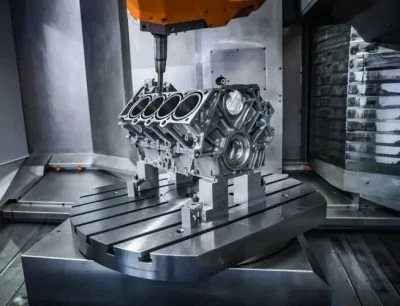
Pricing varies widely by region, material, and geometry, but as a general reference point, simple CNC machined prototypes often run in the low hundreds of dollars per part, while complex multi-axis geometry in harder materials can run well into four figures. Subtractive manufacturing starts from solid billet, so cost reflects not just the material removed but the machine time, tooling, and programming needed to remove it accurately.
Comparing CNC Prototyping Cost to Other Prototyping Methods
| Process | Setup Cost | Speed | Best For |
|---|---|---|---|
| 3D printing | Very low | Fast (hours–days) | Early concept validation, non-functional models |
| CNC machining | Low to moderate | Days | Functional prototypes, production-grade materials |
| Urethane casting | Low to moderate | Days to weeks | Low-volume cosmetic and functional parts |
| Injection molding | Very high (tooling) | Weeks (incl. tooling) | Production-intent parts, higher volumes |
CNC machining sits in the middle of this range for a reason: it costs more than 3D printing because it uses real production-grade materials and holds tighter tolerance, but it avoids the tooling investment that makes injection molding impractical for a handful of prototype parts.
Practical Examples by Part Type
- Simple aluminum bracket: lower cost — straightforward 3-axis geometry, standard tolerance, short machining time.
- 5-axis impeller or gimbal housing: higher cost — complex curved geometry, longer programming and cutting time, specialized tooling.
- Titanium structural fitting: higher cost — slower cutting speeds and faster tool wear than aluminum, plus tighter tolerance requirements.
- Swiss-turned connector pin: moderate cost per part, but efficient at small sizes due to continuous-bar machining on Swiss equipment.
Cost Drivers Behind Every CNC Prototype Quote
Material is only one line item. Harder, less machinable metals like titanium and stainless steel take longer to cut and wear tooling faster than aluminum, which shows up directly in machine time. Part complexity compounds this — deep pockets, thin walls, and tight internal corners all slow the cutting process regardless of material. Tolerance adds another layer: features tighter than a shop’s standard default require slower passes and CMM inspection, so tolerancing an entire print tightly instead of flagging only the critical features drives up cost without improving the part. Quantity and lead time round out the list — a single urgent part carries more cost per unit than the same part ordered in a small batch with normal lead time.
Materials, Tolerances & Lead Times That Affect CNC Prototype Cost
| Material | Relative Cost Impact | Typical Tolerance | Standard Lead Time |
|---|---|---|---|
| Aluminum 6061 | Lower — fast to machine | ±0.013 mm | 3–5 days |
| Stainless 303 / 316L | Moderate — slower cutting, more tool wear | ±0.013 mm | 4–7 days |
| Titanium Ti-6Al-4V | Higher — slow feeds, specialized tooling | ±0.005 mm | 6–9 days |
| Engineering plastics (PEEK, Delrin) | Moderate — process control adds time | ±0.025 mm | 4–6 days |
How to Reduce CNC Prototype Cost Without Cutting Corners
Simplify geometry where the design allows it — sharp internal corners, deep narrow pockets, and unnecessarily thin walls all add machining time without adding function. Apply tight tolerance only to features that genuinely need it, using ISO 2768 or a similar general standard for the rest of the print. Choose the material the application actually requires rather than defaulting to a harder, more expensive alloy out of habit. Where a design might still change, prototype and preproduction machining avoids sinking cost into a part that gets redesigned before it reaches volume. Early DFM feedback catches most of these cost drivers before a quote comes back high.
FAQ: CNC Prototype Cost Guide
Why is CNC machining more expensive than 3D printing for prototypes?
CNC machining uses production-grade materials and holds tighter tolerance, which requires machine time, tooling, and programming that 3D printing’s additive process doesn’t need.
Does ordering more than one prototype reduce the cost per part?
Yes, generally. Setup and programming cost is spread across more parts, so a small batch typically costs less per unit than a single piece.
What’s the fastest way to lower a CNC prototype quote?
Simplify geometry, relax non-critical tolerances, and choose a material suited to the application rather than over-specifying strength or precision the part doesn’t need.
Does tight tolerance always add significant cost to a prototype?
Only on the features it’s applied to. Flagging individual critical dimensions rather than tightening the entire drawing keeps cost proportional to what the part actually needs.
Get Your CNC Prototype Cost Quote
Kintec quotes CNC prototypes with DFM feedback included, using milling, turning, and 5-axis capability to match the right process to your part.
- ✅ DFM feedback included with every quote
- ✅ No minimum order — prototype from 1 piece
- ✅ Transparent pricing by material, tolerance & geometry
- ✅ ISO 9001:2015 certified facility
- ✅ 24-hour quote turnaround
👉 Send your drawing now and get a free CNC prototype quote in 24 hours.