A $40,000 Box of Scrap
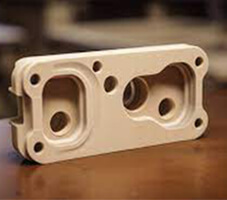
Two days before a major customer demo, a procurement manager — we’ll call him David — opened a crate of 200 machined housings and watched his project stall. On paper, every part measured fine. But the bearing bores were a hair out of round, and not one would accept the bearing. David had picked the lowest quote. Now he was paying for it in overnight reworks, an air-freight bill, and a very uncomfortable call with his boss.
Stories like David’s play out constantly in B2B manufacturing, and they almost always trace back to one decision: which CNC machining services partner you trust with the job. The right supplier holds your tolerances every time and flags problems before they ship. The wrong one hands you a cheap quote and an expensive surprise.
This guide is the short version of what buyers like David usually learn the hard way — what CNC machining services actually cover, the processes and tolerances involved, realistic lead times, and how to pick a partner you won’t regret.
What Are CNC Machining Services?
CNC machining services cover the subtractive manufacturing of parts on computer-controlled machines. “CNC” stands for computer numerical control — the machine follows a digital program built from your CAD model, cutting away material until the finished part emerges.
But the machine is only part of the story. A real CNC machining services provider handles the whole chain: reviewing your design for manufacturability, programming, sourcing material, machining, inspecting, finishing, and shipping. The good ones catch the problem David’s supplier missed — long before it lands in a crate.
The Main Types of CNC Machining
Most projects use one or more of these processes. Geometry, tolerance, and volume decide the mix.
- CNC milling: a rotating cutter shapes a fixed workpiece — ideal for brackets, housings, manifolds, and complex prismatic parts.
- CNC turning: the part spins against a fixed tool — perfect for shafts, pins, bushings, and threaded round parts.
- 5-axis machining: the tool moves on five axes at once, reaching undercuts and freeform surfaces in fewer setups — the backbone of aerospace and medical work.
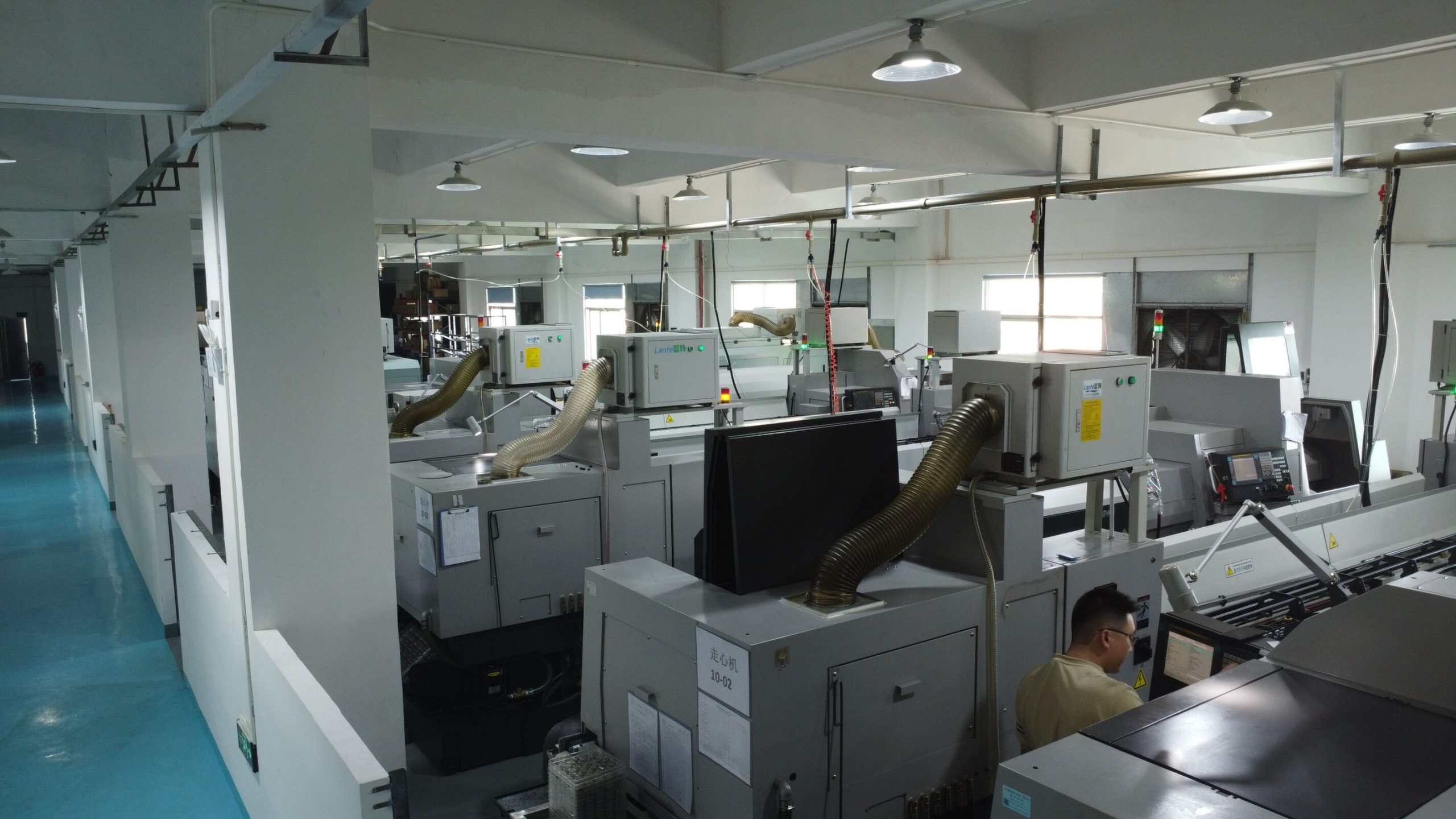
- Swiss machining: built for tiny, slender, high-precision parts like connector pins and bone screws.
- Rapid prototyping & low-volume: functional, production-grade parts in days, not weeks.
From File to Finished Part
Knowing the workflow helps you submit better files and avoid David’s fate. A typical CNC machining job runs like this:
- DFM review: you send a CAD model and drawing; the shop checks it for manufacturability and flags risks.
- Programming: engineers build the tool paths and choose tools, speeds, and feeds.
- Material & machining: stock is sourced and cut, sometimes in one multi-axis setup, sometimes several.
- Inspection: parts are measured against the print — calipers and micrometers for general work, a CMM for tight tolerances.
- Finishing & shipping: anodizing, plating, deburring, or marking, then packed and shipped.
Here’s the part most buyers underestimate: turnaround depends more on your file than on the machine. A clean STEP file with a clear, sensibly toleranced drawing can shave days off the quote — and prevent the kind of “it measured fine but doesn’t fit” surprise that cost David his weekend.
The Engineer Who Doubled His Own Quote
Here’s a smaller story with a useful lesson. An engineer once sent us a bracket drawing with ±0.0002″ called out on every dimension — even the cosmetic edges. He wasn’t being careless; he just wanted it “safe.” The problem: those tolerances tripled the inspection time and pushed the price past his budget.
A two-minute DFM call fixed it. We kept the tight tolerance on the two bores that actually mated with a shaft and relaxed the rest to general tolerance. Same functional part, 40% lower cost. That’s the quiet value of good CNC machining services — the supplier saves you from your own drawing.
CNC Machining Tolerances
Tolerance drives both quality and cost. Tighten only what truly matters.
| Tolerance Level | Typical Range | When to Use |
|---|---|---|
| General (ISO 2768-m) | ±0.005″ (±0.13 mm) | Most non-critical features |
| Tight | ±0.001″ (±0.025 mm) | Mating surfaces and fits |
| Precision | ±0.0005″ (±0.013 mm) | Bearings, seals, alignment |
| High precision | ±0.0002″ (±0.005 mm) | Aerospace, medical, optics |
Calling out precise tolerances everywhere is the most common way buyers inflate their own quotes — apply them only where parts mate, seal, or locate.
Materials You Can Machine
Unlike casting or molding, CNC lets one shop run aluminum today and titanium tomorrow with no new tooling.
| Material | Why Choose It | Typical Uses |
|---|---|---|
| Aluminum (6061, 7075) | Light, fast to machine | Housings, brackets, prototypes |
| Stainless Steel (304, 316, 17-4PH) | Corrosion resistant, strong | Medical, food, marine parts |
| Titanium (Ti-6Al-4V) | Strong, light, biocompatible | Aerospace, implants |
| Brass & Copper | Conductive, easy to cut | Contacts, fittings |
| Plastics (PEEK, PTFE, POM) | Light, chemically resistant | Seals, insulators, medical |
Lead Times: What to Expect
| Order Type | Typical Lead Time |
|---|---|
| Simple prototype (1–5 pcs) | 3–7 days |
| Complex 5-axis prototype | 1–2 weeks |
| Low-volume production (50–500 pcs) | 2–4 weeks |
| With plating / anodizing / heat treat | Add 5–10 days |
The fastest way to compress lead time isn’t paying a rush fee — it’s sending a clean STEP file, a clear print, and your real quantity up front, so the shop plans tooling once instead of twice.
The Startup That Trusted a 3D Print
A robotics startup once 3D-printed a structural bracket to save time. It looked great — until it snapped on the test rig under load. They switched the same design to CNC, machined it from 6061 aluminum, and it held without complaint. The lesson buyers keep relearning: print to check a shape, machine when the part has to actually do its job.
| Factor | CNC Machining | 3D Printing |
|---|---|---|
| Strength | Full production-grade | Often lower |
| Tolerances | Down to ±0.0002″ | ±0.005″ or looser |
| Best for | Functional, precision, volume | Fast concept shapes |
Where These Parts End Up
CNC machining services quietly sit behind almost every precision product you can think of. The same shop might run an aerospace bracket in the morning and a batch of medical instrument bodies in the afternoon.
| Industry | Typical CNC Machined Parts |
|---|---|
| Aerospace | Brackets, impellers, turbine components |
| Medical | Implants, surgical instruments, enclosures |
| Automotive | Shafts, manifolds, transmission parts |
| Robotics | Joint housings, end-effectors, mounts |
| Electronics | Heat sinks, connector pins, enclosures |
What ties them together is the cost of getting it wrong. A loose tolerance on a consumer bracket is an annoyance; on a surgical implant or a turbine part, it’s a recall. That’s why regulated industries care less about the cheapest quote and more about whether the supplier can prove every dimension.
How to Choose a CNC Machining Services Partner
Remember David? His mistake wasn’t going overseas — it was judging on price alone. When you evaluate CNC machining services, look past the unit cost:
- Quality system: ISO 9001:2015 (plus AS9100 or ISO 13485 for aerospace/medical) means real process control.
- Inspection: CMM reports and material certs — proof, not promises.
- Process range: milling, turning, 5-axis, and Swiss under one roof keeps your part from bouncing between vendors.
- DFM support: engineers who improve your design before cutting begins.
- Communication: fast, clear answers and honest lead times.
That robotics housing from earlier? A shop with 5-axis and CMM held the ±0.0005″ bores in a single setup. The “cheaper” supplier couldn’t — and, like David’s, the low quote became the expensive one.
Why the Cheapest Quote Often Costs the Most
David’s quote was the lowest on the list. By the time he added rework, air freight, and a slipped deadline, it became the most expensive part he’d ever bought. That pattern is common, and it usually comes down to a few hidden cost drivers buyers don’t see in a unit price:
- Skipped DFM: a cheap shop machines exactly what’s on the print — mistakes included — instead of catching them first.
- No real inspection: without CMM checks, out-of-spec parts ship and you discover it at assembly.
- Thin process range: a shop that can’t do every operation outsources the rest, adding handoffs, delay, and finger-pointing when something’s off.
- Material shortcuts: the wrong alloy or an uncertified batch can quietly fail in the field.
None of this shows up on the quote. It shows up later, in your schedule and your reputation. The cheapest reliable part is almost always cheaper than the cheapest part.
FAQ
What are CNC machining services?
Manufacturing services that use computer-controlled machines to cut precision parts from metal or plastic, usually covering design review, programming, machining, inspection, and finishing.
What files do I need to provide?
A 3D CAD model (STEP, IGES, or Parasolid) and a 2D drawing showing critical dimensions, tolerances, material, and finish.
What tolerances can CNC machining hold?
General tolerances around ±0.005″, precision features to ±0.0005″, and high-precision aerospace or medical parts down to ±0.0002″.
How long do CNC machining services take?
Simple prototypes ship in 3–7 days; low-volume production typically runs 2–4 weeks, plus time for finishing.
Is CNC better than 3D printing?
For functional, precise, or higher-volume parts, yes. 3D printing wins for fast concept models and very complex shapes.
Tired of Suppliers Who Cost You More Than They Save?
That’s exactly what Kintec Machining is built to prevent. We catch the issues before they ship — and we put it in writing.
- Free DFM review so you never pay for an avoidable mistake
- CMM inspection reports and material certs — proof your parts are right
- Milling, turning, 5-axis & Swiss in one shop — no vendor ping-pong
- Honest 24-hour quotes and lead times you can plan around