Sourcing metal components starts with one question: can this manufacturer hold tolerance, communicate clearly, and scale from prototype to production without a re-quote every time the drawing changes? Kintec Machining is a China-based metal component manufacturer running CNC milling, CNC turning, 5-axis machining, and Swiss machining for aerospace, medical, automotive, robotics, and electronics buyers. This guide breaks down what a metal component manufacturer actually delivers, how to compare manufacturing methods, and what separates a reliable supplier from a risky one.
What a Metal Component Manufacturer Actually Does
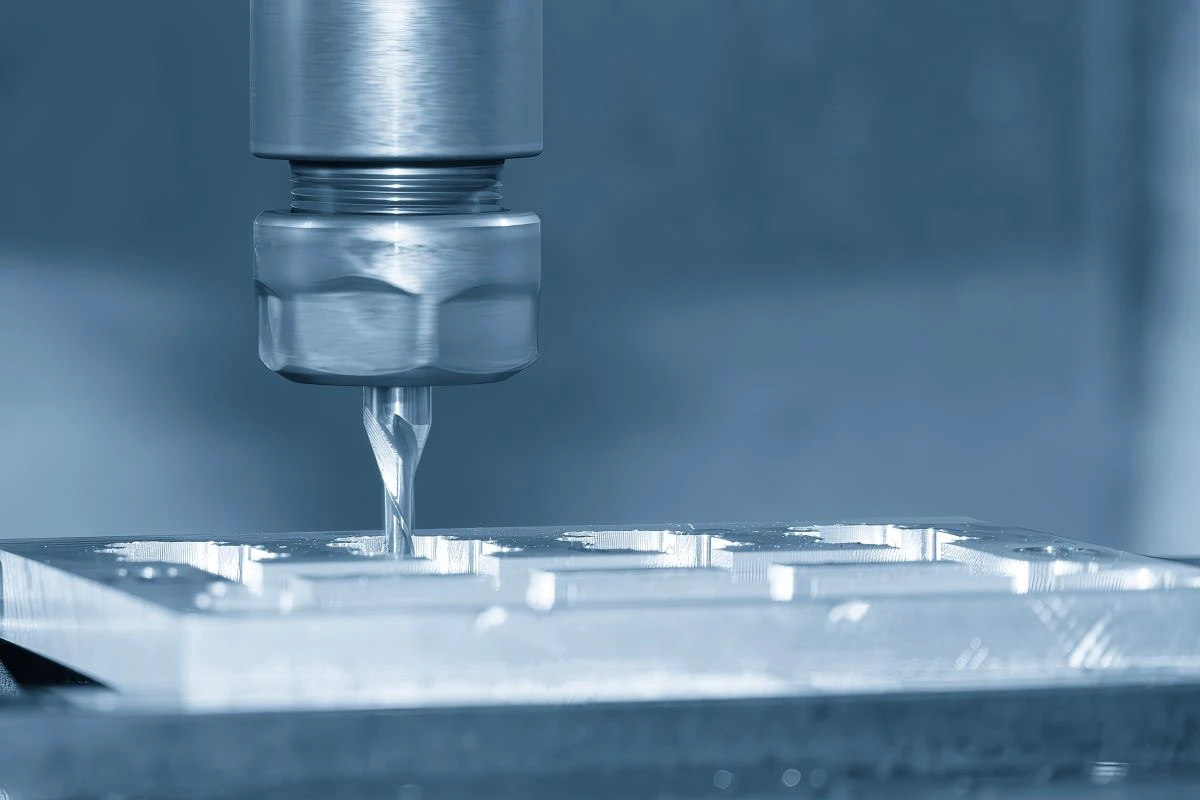
A metal component manufacturer converts a CAD file or drawing into a finished part, machined to spec and backed by inspection data a buyer can verify. For CNC-based suppliers like Kintec, that means running 3, 4, and 5-axis milling centers and CNC lathes to cut parts from solid aluminum, stainless steel, brass, or titanium stock. Output ranges from a single prototype bracket to a production run of thousands of identical parts, using the same programs and fixtures so quality doesn’t drift between batches. See Kintec’s CNC milling and CNC turning services.
Job Shops vs Full-Service Metal Parts Manufacturers
A job shop typically runs one process, milling or turning, and outsources everything else, which adds lead time and coordination risk. A full-service metal component manufacturer keeps CNC milling, turning, 5-axis machining, Swiss machining, and finishing under one roof, so a part doesn’t travel between three vendors before it ships. Kintec runs all of these processes across an 8,000 m² facility in Dongguan, China, keeping tolerances consistent across operations instead of stacking up between subcontractors.
Comparing Metal Manufacturing Methods
| Process | Best For | Typical Tolerance | Typical Lead Time |
|---|---|---|---|
| CNC milling | Prismatic parts, housings, brackets | ±0.001″ (±0.025 mm) | 3–10 days |
| CNC turning / Swiss machining | Cylindrical parts, shafts, pins | ±0.001″ (±0.025 mm) | 3–10 days |
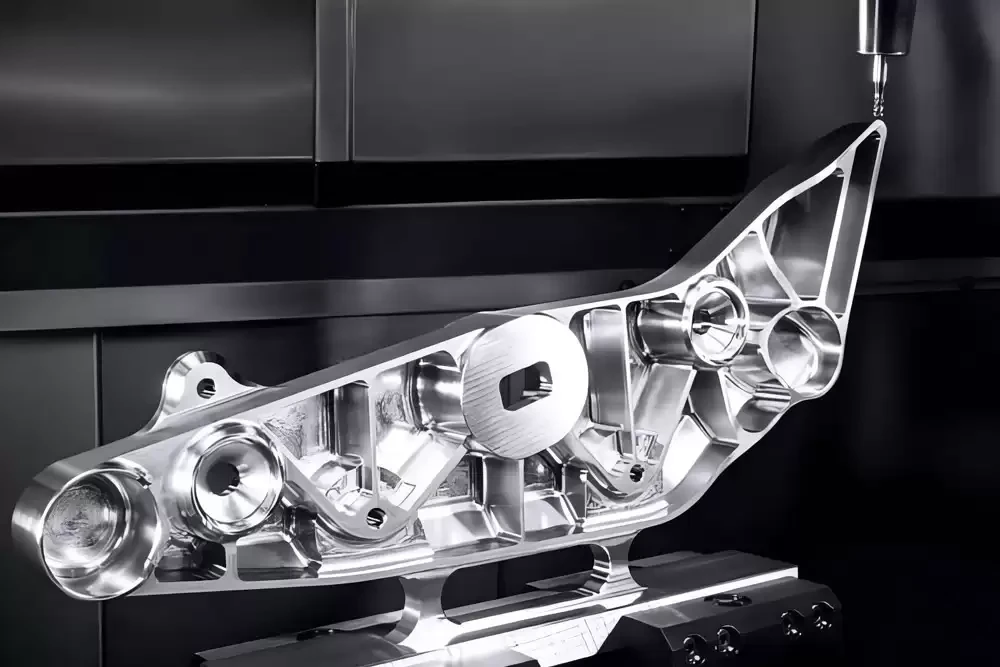
| 5-axis machining | Complex geometry, single setup | ±0.001″ (±0.025 mm) | 5–14 days |
| Die casting | High-volume identical parts | ±0.005″ (±0.13 mm) | 4–8 weeks (tooling) |
| Sheet metal fabrication | Enclosures, brackets, panels | ±0.010″ (±0.25 mm) | 1–3 weeks |
Materials Used by Metal Component Manufacturers
| Material | Common Grades | Typical Use |
|---|---|---|
| Aluminum | 6061, 7075, 5052 | Housings, brackets, robotics parts |
| Stainless steel | 303, 304, 316, 17-4PH | Medical, aerospace, fasteners |
| Brass & copper | C360, C260, C101 | Connectors, electronics components |
| Titanium | Grade 2, Grade 5 | Aerospace, medical implants |
Kintec’s machined aluminum parts and stainless and brass components are produced to ISO 2768 medium class by default, with tighter tolerances available against an engineering drawing.
Practical Examples: Metal Components by Industry
- Aerospace: 5-axis milled titanium and aluminum brackets with material certificates and full traceability.
- Medical: Swiss-turned 316 stainless steel instrument components in biocompatible materials.
- Automotive & EV: low-volume aluminum housings for battery packs and sensor mounts.
- Robotics: CNC milled joint housings and gear mounts in 6061 and 7075 aluminum.
- Electronics: brass and aluminum connector housings and heat sinks machined to tight flatness.
How to Vet a Metal Component Manufacturer Before You Order
Before committing to a supplier, confirm which processes are handled in-house versus outsourced, what tolerance is quoted without a drawing, and which quality certifications back the claim. Ask for a sample inspection report and check how design-for-manufacturability feedback is communicated before quoting. Kintec operates over 100 CNC machines, holds ISO 9001:2015 certification, and assigns a project engineer who reviews files and manages the job from first article through volume production. Read more about our company background and industry solutions.
FAQ: Metal Component Manufacturers
What’s the difference between a metal component manufacturer and a job shop?
A job shop usually runs a single process, such as milling or turning, and outsources the rest. A full-service metal component manufacturer runs multiple processes, such as milling, turning, 5-axis, and Swiss machining, under one roof.
Which CNC process is best for metal components?
It depends on the part. Prismatic housings and brackets suit CNC milling, cylindrical shafts and pins suit CNC turning or Swiss machining, and parts with complex, angled features benefit from 5-axis machining.
What tolerance can a metal component manufacturer hold?
Most CNC machining shops default to ISO 2768 medium class without a drawing. With a drawing calling out critical features, tolerances as tight as ±0.001 in (±0.025 mm) are achievable.
Can a metal component manufacturer handle both prototypes and production runs?
Yes, when prototypes and production parts are machined on the same equipment and process sheet, a part that passes first-article inspection carries directly into volume manufacturing.
What materials do metal component manufacturers typically machine?
Aluminum, stainless steel, brass, copper, and titanium cover most industrial applications across aerospace, medical, automotive, robotics, and electronics parts.
Metal Component Manufacturers: Get a Quote
Kintec machines aluminum, stainless, brass, and titanium components in-house for aerospace, medical, automotive, robotics, and electronics buyers.
- ✅ Free DFM review on every quote request
- ✅ CNC milling, turning, 5-axis & Swiss machining in-house
- ✅ No minimum order — prototype from 1 piece
- ✅ ISO 9001:2015 certified facility
- ✅ 24-hour quote turnaround
👉 Send your drawing now and get a free metal component manufacturing quote in 24 hours.