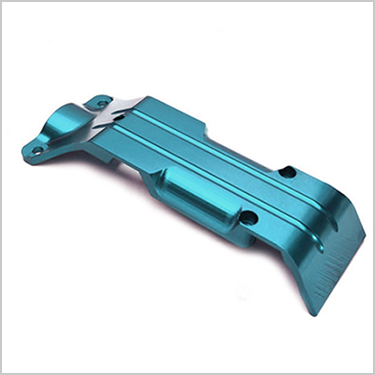
A machined bracket or housing doesn’t look like an electronics part, but if it ends up inside electrical or electronic equipment sold in the EU, RoHS compliance applies to it the same as it does to a circuit board. Directive 2011/65/EU, known as RoHS, restricts ten hazardous substances across electrical and electronic equipment — and for CNC machined metal parts, the substance that comes up most often is lead, added to certain alloys specifically to improve machinability. This guide covers what RoHS actually restricts in machined components, where exemptions apply, and how to verify a supplier is actually compliant rather than just claiming to be.
What RoHS Actually Restricts in Machined Parts
RoHS 3 restricts ten substances by maximum concentration per homogeneous material: four heavy metals (lead, mercury, cadmium, hexavalent chromium), two flame retardants, and four phthalates. For CNC machined metal components, lead is the one that matters most, since it’s historically been added to free-machining brass and steel grades to improve chip formation and tool life.
RoHS-Compliant vs Non-Compliant Machined Components
| Factor | RoHS-Compliant Component | Non-Compliant Component |
|---|---|---|
| Lead content in alloy | Within exemption limit or lead-free | Exceeds restricted concentration |
| Supporting documentation | Material declaration, test report, or supplier certificate | None provided or unverifiable |
| Market eligibility | Sellable as part of EEE in the EU | Blocks the finished product from EU market entry |
| Traceability | Alloy grade and source documented | Undocumented material substitution risk |
Practical Examples by Industry
- Electronics housings: aluminum enclosures machined without leaded free-machining additives for EU-bound consumer devices.
- Connector components: brass pins machined under a documented lead exemption where machinability requires it.
- Robotics & automation parts: stainless and aluminum brackets supplied with material declarations for EEE assemblies.
- Medical electronic devices: machined components requiring both RoHS declarations and material traceability for regulated builds.
Which Materials Need RoHS Attention in CNC Machining
Brass and leaded copper alloys carry the most scrutiny, since certain grades rely on a specific lead percentage for free-machining performance and fall under a defined RoHS exemption rather than a blanket allowance. Aluminum and stainless steel generally machine cleanly without added lead, making compliance more straightforward. Exemption scope and expiry dates are reviewed periodically, so a supplier should confirm current status rather than relying on outdated documentation.
How to Verify RoHS Compliance Before You Order
Ask for a supplier declaration or material test report referencing the specific alloy grade, not a generic “RoHS compliant” statement with no supporting data. Confirm the exemption reference if a leaded alloy is used, and check whether the shop holds quality certifications that reflect documented material traceability. For regulated electronics builds, request documentation before parts ship, not after a customs hold.
FAQ: RoHS Compliance for CNC Machined Components
Does RoHS apply to machined metal brackets and housings?
Yes, if the part is incorporated into electrical or electronic equipment sold in the EU — RoHS applies to the finished product’s components, not just circuit boards.
Can leaded brass still be used in RoHS-compliant parts?
In some cases, under a specific documented exemption for machinability, provided the lead concentration and product category match the exemption’s exact scope.
What documentation proves RoHS compliance?
A material declaration or test report referencing the specific alloy and, where relevant, the applicable exemption — not a general compliance statement alone.
Is RoHS the same as REACH?
No. RoHS restricts specific substances in electrical and electronic equipment, while REACH covers a much broader range of chemicals across all products — some suppliers need to address both.
Get RoHS-Compliant CNC Machined Parts
Kintec machines aluminum, stainless, and brass components with documented material sourcing for EEE-bound assemblies.
- ✅ Material declarations and test reports available on request
- ✅ Aluminum, stainless & brass machining in-house
- ✅ No minimum order — prototype from 1 piece
- ✅ ISO 9001:2015 certified facility
- ✅ 24-hour quote turnaround
👉 Send your drawing now and get a free RoHS-compliant CNC machining quote in 24 hours.