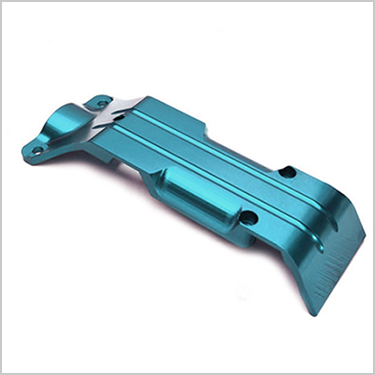
Robotics CNC machining sits at the intersection of low-volume complexity and tight precision. Every robot prototype needs a portfolio of unique parts — joint housings, end-effectors, harmonic-drive plates, sensor mounts, cable-routing brackets — none of which exist in a catalog. Designs change fast, tolerances are tight, and geometries are rarely simple. This guide covers materials, tolerances, lead times, and applications for precision robot parts.
What Is Robotics CNC Machining?
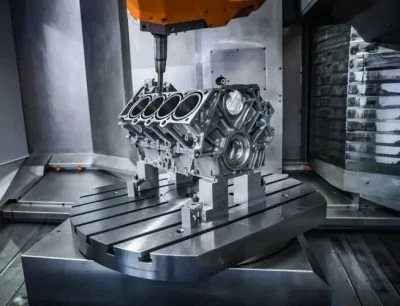
Robotics CNC machining is the production of custom precision components for robotic systems — articulated arms, collaborative robots (cobots), AMRs, drone frames, and surgical robots — on computer-controlled mills, lathes, and multi-axis machines. Because robot designs evolve rapidly, a capable CNC partner needs to handle mixed batches of dissimilar parts and iterate fast without retooling.
Best Materials for Robotics CNC Machining
| Material | Why Used in Robotics | Typical Robotics Parts |
|---|---|---|
| Aluminum 6061 / 7075 | Light, strong, fast to machine | Joint housings, frames, base plates |
| Titanium Ti-6Al-4V | Best strength-to-weight for critical joints | High-load joint mounts, surgical robot arms |
| Stainless 303 / 316 | Corrosion resistant for wet or cleanroom use | Food-safe robots, medical robotics, end-effectors |
| Alloy steel 4140 | High strength for loaded shafts and gears | Drive shafts, pinions, bearing housings |
| PEEK / POM / PTFE | Light, low friction, chemical resistant | Bushings, cable guides, lightweight mounts |
| Brass | Conductive, machinable | Electrical contacts, grounding components |
Aluminum 6061 covers most structural robotics work — light enough to keep the moving mass down, strong enough for most load cases. Switch to 7075 or titanium only when strength-to-weight is genuinely the constraint.
Tolerances for Robotics CNC Machining Parts
Tight tolerances on the right features are what makes a robot repeatable. Perpendicular bearing bores, aligned shaft interfaces, and precisely located mounting patterns matter — cosmetic edges don’t.
| Tolerance Level | Typical Range | Robotics Application |
|---|---|---|
| General | ±0.13 mm | Covers, guards, non-critical brackets |
| Tight | ±0.025 mm | Mounting patterns, bolt flanges |
| Precision | ±0.013 mm | Bearing bores, shaft fits, joint alignment |
| High-precision | ±0.005 mm | Harmonic drive interfaces, surgical robot joints |
Lead Times for Robotics CNC Machining
Robotics programs run on fast iteration cycles — a design that works today may change next week after the first integration test. Simple robotics prototypes ship in 3–7 days, complex 5-axis parts in 1–2 weeks, and small production batches in 2–4 weeks. No MOQ — order exactly the quantity you need for the current design revision.
Robotics CNC Machining Applications and Part Types
- Articulated arms: joint housings, link bodies, wrist assemblies (aluminum, titanium)
- Collaborative robots (cobots): sensor mounts, housing panels, cable-routing brackets
- AMRs & mobile robots: chassis plates, drive-wheel hubs, bumper mounts (aluminum)
- Surgical robots: instrument arms, end-effector mounts, registration fixtures (titanium, stainless)
- Grippers & end-effectors: finger links, jaw mounts, force-sensor adapters
How to Source Robotics CNC Machining
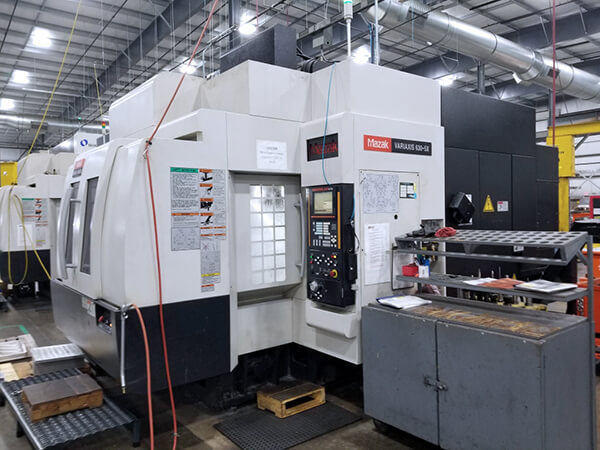
The right partner runs no MOQ, accepts mixed-part batches, turns around revisions in days, and provides DFM feedback as the design matures. Verify the shop owns its machines with a video tour, holds ISO 9001:2015, and can produce CMM reports on precision features. See our equipment list and case studies for real robotics capability on file.
FAQ: Robotics CNC Machining
What materials are most common in robotics machining?
Aluminum 6061 for most structural parts, 7075 for high-load or stiffness-critical applications, titanium for surgical robots and weight-critical joints, stainless for food-safe or cleanroom robots, and engineering plastics for lightweight non-structural components.
What tolerances do robotics parts need?
General brackets run ±0.13 mm. Bearing bores and shaft interfaces need ±0.013 mm. Harmonic drive and surgical robot joints may require ±0.005 mm with 5-axis equipment and CMM inspection.
What is the minimum order for robotics parts?
A real CNC shop runs a single piece — one prototype is a valid order. Mixed batches of different parts ship together, keeping cost predictable across the full BOM.
A B2B Buyer's Guide to Precision Robot Parts
Kintec Machining takes the full BOM. One file upload, one quote, one shipment.
- Mixed-part batches — turned, milled, and 5-axis parts in one order
- No MOQ — one piece per part number is a valid order
- Free DFM review — we flag design issues before you cut the first part
- CMM inspection on precision bearing bores and shaft fits
- 5-axis, milling, turning & Swiss in one shop
- Honest 24-hour quotes — even on complex mixed BOM jobs
👉 Send us your robotics BOM and get a free factory-direct quote in 24 hours.