Electronics CNC machining covers a demanding mix of requirements: tight dimensional tolerances on connector housings, excellent thermal conductivity on heat sinks, EMI shielding integrity on RF enclosures, and surface finishes that hold up to repeated assembly cycles. Off-the-shelf rarely fits and designs are revision-sensitive. This guide covers materials, tolerances, lead times, and supplier checks.
What Is Electronics CNC Machining?
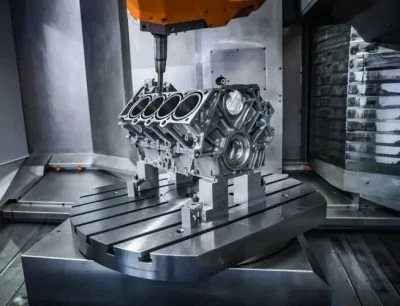
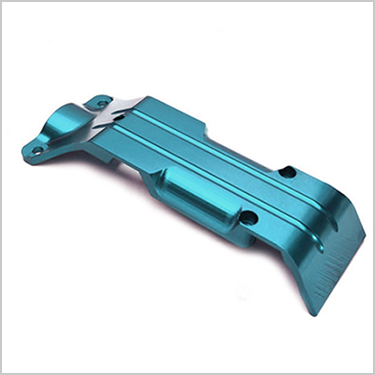
Electronics CNC machining is the production of custom metal and plastic components for electronic systems — heat sinks, RF and microwave housings, connector bodies, EMI shields, semiconductor equipment chambers, and instrument enclosures — on computer-controlled mills, lathes, and multi-axis machines. A capable CNC partner for electronics work runs tight tolerances, handles a wide material range, and supports rapid iteration as PCB layouts and thermal designs evolve.
Best Materials for Electronics CNC Machining
| Material | Why Used in Electronics | Typical Electronic Parts |
|---|---|---|
| Aluminum 6061 / 6063 | Light, thermally conductive, anodizable | Heat sinks, enclosures, chassis |
| Aluminum 7075 | High strength for structural electronic housings | Avionics enclosures, defense electronics |
| Copper C110 / C145 | Maximum thermal and electrical conductivity | Heat spreaders, bus bars, RF resonators |
| Brass C360 | Conductive, corrosion resistant, easy to plate | Connector pins, RF fittings, terminals |
| Stainless 304 / 316 | Corrosion resistance for harsh environments | Industrial enclosures, panel hardware |
| PEEK / PTFE | Insulating, chemically resistant, low outgassing | Vacuum electronics, insulators, spacers |
Aluminum 6063 — not 6061 — is the thermal management default. Its higher conductivity makes a measurable difference in heat sink performance at the same wall thickness.
Tolerances for Electronics CNC Machining Parts
Electronics tolerances vary by function. PCB mounting holes and panel cutouts run at general tolerance; mating connector housings and precision alignment features need much tighter control. Apply tight tolerances only where the feature locates, contacts, or seals.
| Tolerance Level | Typical Range | Electronics Application |
|---|---|---|
| General | ±0.13 mm | PCB mounts, panel cutouts, covers |
| Tight | ±0.025 mm | Connector body fits, gasket grooves |
| Precision | ±0.013 mm | RF cavity dimensions, optical alignment |
| High-precision | ±0.005 mm | Semiconductor chamber interfaces, waveguides |
Lead Times for Electronics CNC Machining
Electronics programs iterate fast — a thermal redesign can obsolete a heat sink in days. Simple electronics prototypes ship in 3–7 days, complex RF or 5-axis parts in 1–2 weeks, and low-volume production in 2–3 weeks. Anodizing, plating, or EMC surface treatment adds time — specify at quote, not after.
Electronics CNC Machining Applications and Part Types
- Thermal management: heat sinks, cold plates, vapor-chamber bases (aluminum 6063, copper)
- RF & microwave: cavity filters, waveguide bodies, antenna mounts (aluminum, copper C110)
- Semiconductor: vacuum chamber components, wafer-handling parts (aluminum 6061, PTFE)
- Connectors & terminals: connector housings, contact pins, terminal blocks (brass, copper)
- EMI shielding: shielding cans, gasket-groove covers, grounded enclosures (aluminum, stainless)
- Instrument enclosures: test equipment housings, rack panels, front panels (aluminum 6061)
How to Source Electronics CNC Machining
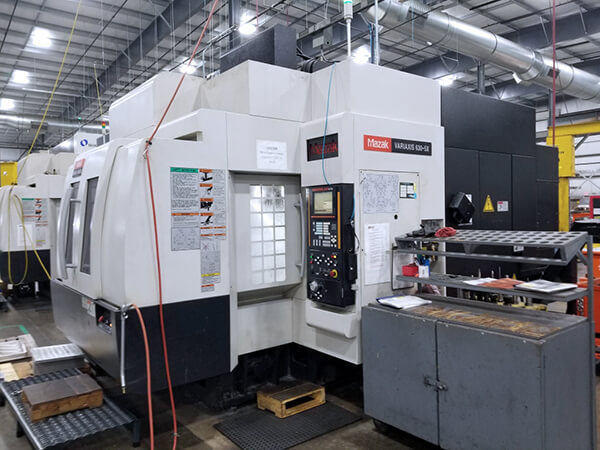
Verify the shop owns its machines, holds ISO 9001:2015, and runs CMM inspection in-house. For RF and semiconductor work, ask about surface finish capability and contamination protocols. Check our equipment list, case studies, and blog for electronics capability.
FAQ: Electronics CNC Machining
What materials are most common in electronics machining?
Aluminum 6063 for heat sinks and thermal management, 6061 for general enclosures, copper C110 for maximum conductivity, brass for connectors and RF fittings, and PEEK or PTFE for vacuum and insulating applications.
What tolerances can electronics machining hold?
General features at ±0.13 mm, connector fits and gasket grooves to ±0.025 mm, RF cavity dimensions to ±0.013 mm, and semiconductor chamber interfaces to ±0.005 mm with 5-axis equipment and CMM inspection.
What surface finishes work for electronics parts?
Type II clear anodizing for general aluminum enclosures, hard-coat Type III for wear-resistant panels, electroless nickel for RF and connector parts, gold or silver plating for high-conductivity contact surfaces, and chemical film (Alodine) for EMI continuity on aluminum assemblies.
Tired of Electronics Suppliers Who Miss the Surface Finish Detail?
Kintec Machining asks the surface finish question before the first chip flies — because for electronics work, the finish is part of the dimension.
- Surface finish specified and locked at quote time — anodize, plating, chemical film
- Anodize layer thickness considered in cavity and connector dimension tolerances
- Material segregation protocols — no ferrous contamination on copper or aluminum RF parts
- CMM inspection on critical cavity dimensions and connector interfaces
- Milling, 5-axis & Swiss in one shop — no handoffs
- Honest 24-hour quotes
👉 Send us your electronics drawing and get a free factory-direct quote in 24 hours.