


Corrosion Resistance
Produces a cleaner and more uniform metal surface
Aerospace, chemical equipment

Electropolishing is an electrochemical surface finishing process that selectively removes a thin layer of metal from the surface of CNC machined parts. It smooths microscopic peaks, reduces surface roughness, removes burrs, and improves corrosion resistance, cleanliness, and surface appearance without adding a coating.
Key benefits include:
✓ Reduces microscopic surface roughness
✓ Improves corrosion resistance
✓ Removes small burrs and surface imperfections
✓ Creates a smooth and bright metallic appearance
✓ Improves surface cleanliness and cleanability
✓ Suitable for complex metal CNC components
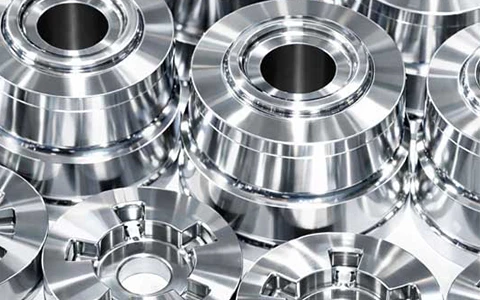
Electropolishing is widely used for precision metal components because it can simultaneously improve surface smoothness, corrosion resistance, deburring, and cleanliness. It is especially valuable for stainless steel components used in medical, pharmaceutical, food processing, semiconductor, and aerospace applications.
Electropolishing results depend on the metal alloy, starting surface condition, electrolyte, current density, processing time, and required surface quality. Different process conditions can produce smoother, brighter, cleaner, and more corrosion-resistant metal surfaces.
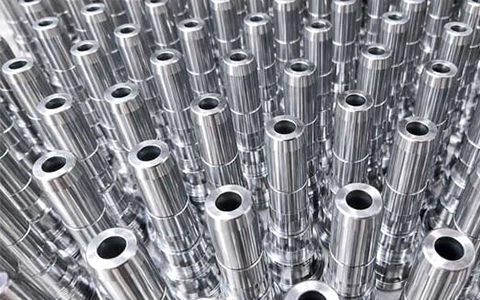
Stainless steel is one of the most common materials for electropolishing. The process smooths microscopic surface irregularities, improves cleanability, and supports corrosion resistance by producing a cleaner and more uniform metallic surface.
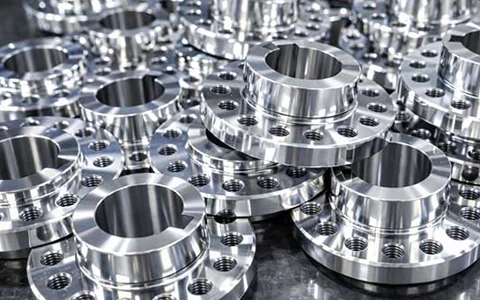
Bright electropolishing produces a smoother and more reflective metallic appearance by preferentially removing microscopic peaks from the surface. The final appearance depends strongly on the initial CNC surface condition and processing parameters.
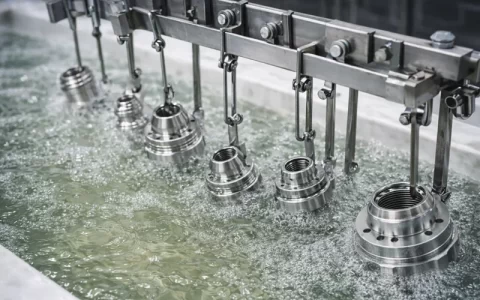
Precision electropolishing is used when CNC components require controlled material removal, low surface roughness, and consistent dimensional performance. Process parameters must be carefully controlled for tight-tolerance features.
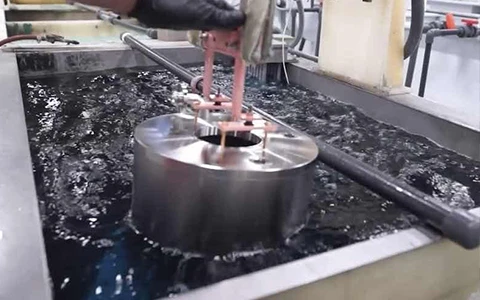
Electropolishing can remove small burrs and smooth sharp microscopic surface irregularities, making it useful for complex metal components where conventional mechanical deburring may be difficult.
Electropolishing uses an electrochemical reaction to remove metal from the surface of a conductive workpiece. The CNC part acts as the anode in an electrolyte bath, and electrical current preferentially removes material from microscopic surface peaks.
01
CNC machined parts are cleaned and prepared before electropolishing. The starting surface condition is important because electropolishing improves the existing surface rather than completely hiding deep machining marks or scratches.
02
The workpiece is connected as the anode and immersed in an electrolyte. Controlled electrical current causes microscopic metal peaks to dissolve preferentially, progressively leveling the surface.
03
As microscopic peaks are removed, surface roughness decreases and the metal surface becomes smoother and more uniform. The resulting finish depends on the original surface condition and process parameters.
03
After electropolishing, parts are rinsed and cleaned to remove process residues. Dimensional and surface inspections can then verify the required finish and critical tolerances.
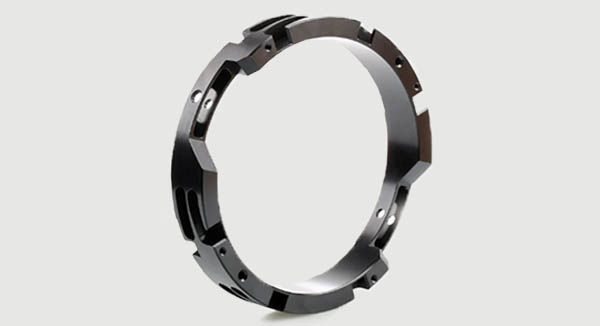
Electropolishing is widely used in industries where surface cleanliness, corrosion resistance, smoothness, and consistent finishing are critical. Stainless steel electropolishing is particularly common in medical, pharmaceutical, food processing, semiconductor, and aerospace applications.
Electropolishing can be applied to various electrically conductive metals, although the electrolyte and processing parameters must be selected according to the material. Stainless steel is the most common industrial application, while aluminum, copper, titanium, and other metals can also be electropolished using suitable processes.
| Material | Electropolishing Result | Common Applications |
|---|---|---|
| Stainless Steel | Smooth, bright, clean, corrosion-resistant surface | Medical, pharmaceutical |
| Aluminum | Smooth and refined metallic surface | Aerospace, electronics |
| Copper | Improved smoothness and surface appearance | Electrical components |
| Titanium | Controlled smooth surface with improved cleanliness | Medical, aerospace |
| Nickel Alloys | Refined surface with reduced microscopic irregularities | Aerospace, industrial |
Electropolishing primarily improves surface smoothness, cleanliness, corrosion resistance, appearance, and microscopic burr removal. Because the process removes metal rather than adding a coating, dimensional change should be considered when designing tight-tolerance CNC parts.
| Performance Dimension | Technical Parameters | Application Cases |
|---|---|---|
Surface Smoothness
Removes microscopic peaks and reduces surface roughness
Medical, pharmaceutical
Corrosion Resistance
Produces a cleaner and more uniform metal surface
Aerospace, chemical equipment
Cleanability
Reduces microscopic surface irregularities where residues can accumulate
Food processing, medical
Deburring
Removes small burrs and sharp microscopic irregularities
Precision CNC parts
Surface Appearance
Creates a smoother and brighter metallic appearance
Consumer products, precision equipment
Dimensional Integrity
Material is removed during processing and must be considered for tight tolerances
Precision holes, threads, sealing surfaces
Electropolishing can be combined with CNC machining, sheet metal fabrication, and rapid prototyping to provide complete precision manufacturing and surface finishing solutions for metal components.
01 · CNC MACHINING
Electropolishing can be applied to CNC milled and turned metal parts to reduce surface roughness, remove microscopic burrs, improve cleanliness, and enhance corrosion resistance.
Supported Processes
Precision machining
02 · SHEET METAL
Suitable stainless steel and other conductive sheet metal components can be electropolished to improve surface smoothness, cleanliness, corrosion resistance, and appearance.
Applications
Metal enclosures
Machine covers
Industrial panels
03 · RAPID PROTOTYPING
Electropolishing provides prototypes with a smoother and cleaner production-style surface, helping engineers evaluate surface quality and functional performance before mass production.
Although electropolishing provides consistent surface improvements, improper surface preparation, material selection, electrical parameters, or dimensional allowances can cause uneven finishes, excessive material removal, or inconsistent results.
• Uneven current distribution
• Poor surface preparation
• Inconsistent electrolyte conditions
• Different starting surface roughness
• Prepare CNC surfaces consistently
• Control electrical parameters
• Maintain stable process conditions
• Inspect surface roughness before and after finishing
Electropolishing removes material from the metal surface. Excessive or uncontrolled material removal can affect critical dimensions such as holes, threads, mating surfaces, and sealing features.
• Allow for material removal during CNC design
• Control electropolishing parameters
• Mask critical tolerance areas when necessary
• Perform dimensional inspection after finishing
• Deep machining marks
• Poor pre-finishing preparation
• Excessive initial surface roughness
• Improve the CNC machining surface
• Use mechanical polishing before electropolishing when required
• Establish the required starting surface roughness
• Control the electropolishing process
• Incorrect process parameters
• Unsuitable electrolyte conditions
• Poor starting surface quality
• Material-specific processing issues
• Optimize current density and processing time
• Use the correct electrolyte for the material
• Improve pre-finishing preparation
• Validate the process with sample components
Mechanical polishing uses abrasive tools to physically smooth the surface, while electropolishing uses an electrochemical process to preferentially remove microscopic surface peaks. Electropolishing is particularly useful for complex geometries and applications requiring high cleanliness.
Stainless steel is one of the most common materials for industrial electropolishing, particularly for medical, pharmaceutical, food processing, and aerospace applications.
Yes. Unlike coating processes that add material, electropolishing removes a controlled amount of metal from the surface. The amount removed depends on the material, geometry, and process parameters.
Yes. Electropolishing can be particularly useful for irregularly shaped metal components and internal features that are difficult to reach with conventional mechanical polishing.
Yes. Because electropolishing removes material, critical dimensions such as holes, threads, and mating surfaces should be considered during CNC machining and finishing design.
Need CNC machined components with a smooth, clean, and corrosion-resistant surface? Kintec Machining provides precision CNC machining and professional electropolishing solutions for prototypes, low-volume production, and custom industrial components. Our finishing solutions help improve surface quality, cleanliness, durability, and functional performance.
Send your drawings for a free review and quick quote. Our engineers are here to help.
ISO certified | Fast delivery | Factory Direct