


Stainless Steel 316
Enhanced corrosion resistance for demanding environments
Marine, medical, chemical

Passivation is a chemical surface treatment that improves the corrosion resistance of stainless steel CNC machined parts by removing free iron and surface contaminants. The process promotes the formation of a thin, protective passive oxide layer without adding a visible coating or significantly changing the part’s dimensions.
Key benefits include:
• Improves corrosion and rust resistance
• Removes free iron and surface contaminants
• Helps restore the protective passive layer
• Maintains the original appearance and dimensions
• Suitable for precision stainless steel CNC parts
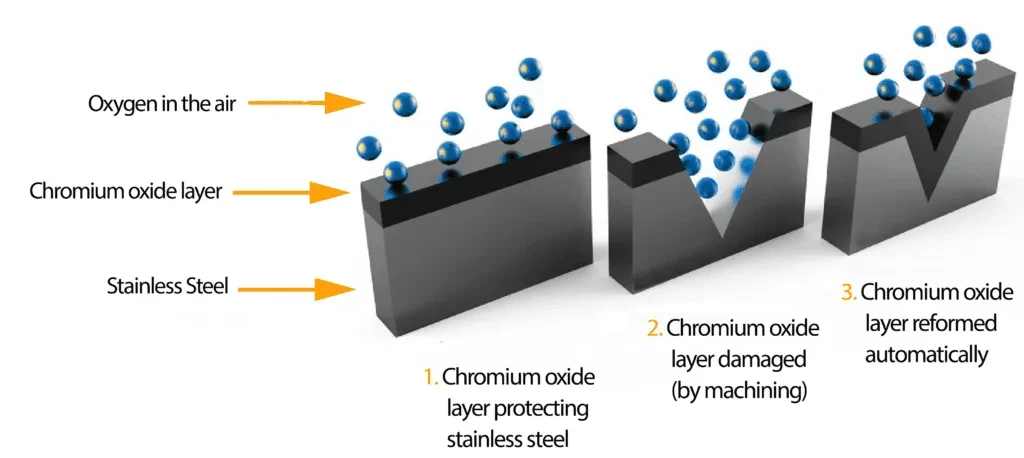
Stainless steel passivation is widely used for precision CNC components because it improves corrosion resistance without adding a conventional coating. It is commonly specified for aerospace, medical, automotive, food processing, electronics, and industrial applications where clean and corrosion-resistant surfaces are required.
Different passivation processes use different chemical systems to remove free iron and promote a stable passive surface. The appropriate method depends on the stainless steel grade, application requirements, industry specifications, and required corrosion resistance.
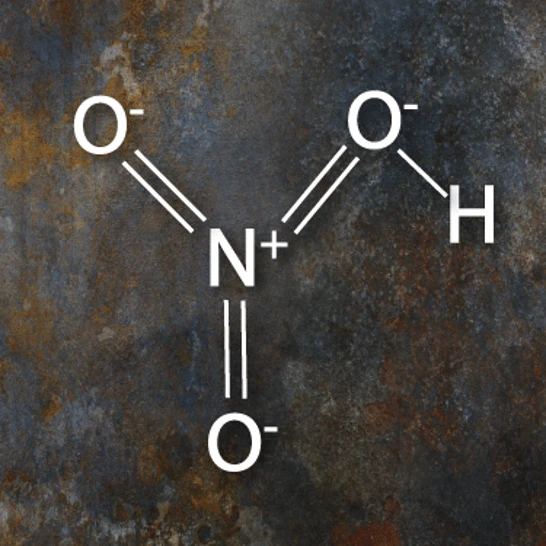
Nitric acid passivation is an established stainless steel finishing method that removes free iron from the machined surface and promotes formation of a chromium-rich passive oxide layer.
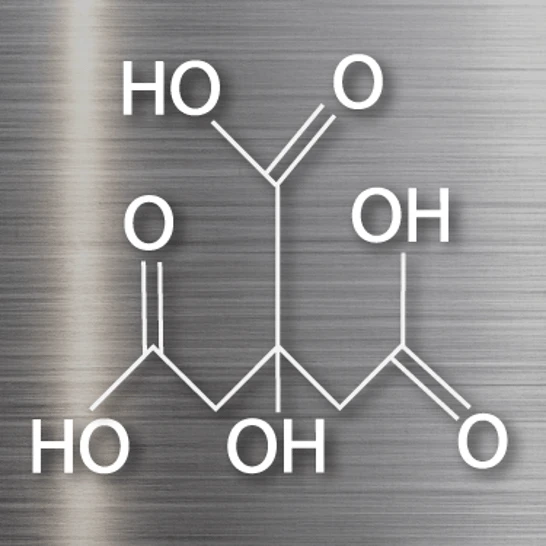
Citric acid passivation removes free iron and surface contaminants while promoting the natural protective oxide layer on stainless steel. It is commonly selected when manufacturers require an alternative passivation chemistry.
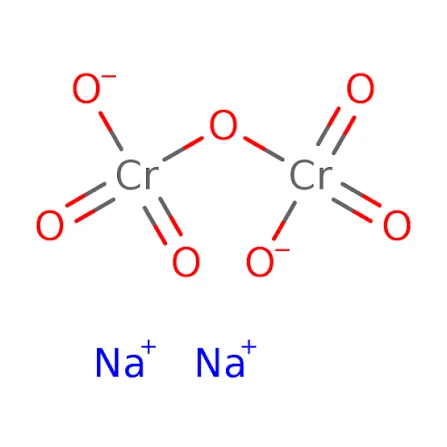
This passivation method combines nitric acid with an oxidizing additive to provide controlled treatment for specific stainless steel grades and application requirements. Process selection should follow the applicable customer specification and safety requirements.
Passivation typically involves four essential steps: cleaning the stainless steel surface, applying a suitable passivation solution, controlling the treatment conditions, and thoroughly rinsing the finished part.
01
The stainless steel surface is thoroughly cleaned to remove oil, grease, dirt, scale, and machining residues.
02
The cleaned part is treated with a suitable passivation solution to remove free iron and surface contaminants and promote the formation of a protective passive oxide layer.
03
Chemical concentration, temperature, and treatment time are carefully controlled according to the stainless steel grade and applicable process specification.
03
The part is thoroughly rinsed to remove residual chemicals and contaminants before final inspection and further processing.
Passivation is most commonly associated with stainless steel, particularly grades that naturally form a protective chromium oxide layer. Other metals may use different surface treatments depending on their chemistry and application requirements.
| Material | Passivation Result | Common Applications |
|---|---|---|
Stainless Steel 304
Improved corrosion resistance and clean passive surface
Medical, food processing
Stainless Steel 316
Enhanced corrosion resistance for demanding environments
Marine, medical, chemical
Stainless Steel 17-4 PH
Controlled passive surface with improved corrosion resistance
Aerospace, industrial
Stainless Steel 420
Improved surface cleanliness and corrosion resistance
Medical, tooling
Stainless Steel 303
Improved surface condition after machining
Precision components
Helps stainless steel form and maintain a protective passive oxide layer.
Removes iron contamination and residues introduced during machining, grinding, or fabrication.
Passivation is a chemical treatment that generally causes minimal dimensional change, making it suitable for precision CNC components.
Creates a cleaner, more chemically stable surface for medical, food processing, aerospace, and industrial components.
Can be applied after CNC milling, turning, grinding, and other manufacturing processes without adding a conventional coating.
Stainless steel passivation improves corrosion resistance and surface cleanliness by removing free iron and contaminants, but it requires proper chemical processing and is mainly suitable for corrosion-resistant alloys such as stainless steel.
Passivation primarily improves corrosion resistance rather than creating a smoother or polished surface.
Chemical concentration, temperature, treatment time, cleaning, and rinsing must be properly controlled for consistent results.
Passivation is primarily used for stainless steel and other suitable alloys; the process must be matched to the material grade.
Passivation can be integrated with CNC machining and other manufacturing processes to provide complete part production and surface finishing. It is particularly useful for stainless steel components that require improved corrosion resistance after machining.
01 · CNC MACHINING
Passivation can be applied to CNC milled and turned stainless steel parts after machining to remove free iron and improve corrosion resistance while maintaining the part’s original geometry.
Supported Processes
Precision machining
02 · SHEET METAL
Stainless steel sheet metal components can be passivated after fabrication to improve corrosion resistance and provide a cleaner, more reliable surface for industrial applications.
Applications
Stainless steel enclosures
Machine covers
Industrial panels
Precision sheet metal components
03 · RAPID PROTOTYPING
Passivation can be applied to stainless steel prototypes to provide production-style corrosion resistance and help engineers evaluate component performance before moving to larger-scale production.
Although passivation is an effective corrosion-resistance treatment, improper cleaning, contamination, material selection, or process control can affect the final result. Understanding common problems helps manufacturers achieve consistent surface quality.
• Surface contamination remains after machining
• Free iron was not completely removed
• Improper cleaning before passivation
• Inappropriate process parameters
• Clean parts thoroughly before treatment
• Use a passivation process appropriate for the stainless steel grade
• Prevent iron contamination during machining and handling
• Perform appropriate corrosion-resistance testing when required
Passivation is primarily a chemical surface treatment rather than a material-removal finishing process, so dimensional impact is generally minimal. However, critical tolerances should still be considered when specifying the complete manufacturing process.
• Identify critical tolerance areas before finishing
• Select an appropriate passivation specification
• Inspect precision dimensions after finishing when required
• Inadequate surface cleaning
• Contamination during processing
• Incorrect process control
• Material-specific reaction during treatment
• Clean parts before passivation
• Use controlled processing conditions
• Prevent cross-contamination between materials
• Perform visual and dimensional inspection
Passivation is sometimes confused with decorative surface finishing because it is classified as a surface treatment.
Passivation generally does not create a conventional visible coating or significantly change the appearance of stainless steel. Its primary purpose is to improve corrosion resistance by removing free iron and promoting the protective passive oxide layer.
Need stainless steel CNC machined parts with improved corrosion resistance and a clean, controlled surface? Kintec Machining provides precision CNC machining and professional passivation services for prototypes, low-volume production, and custom industrial components. Our integrated manufacturing and finishing solutions help deliver consistent quality from machining to final surface treatment.
Send your drawings for a free review and quick quote. Our engineers are here to help.
ISO certified | Fast delivery | Factory Direct