


What Is a Brushed Finish?
A brushed finish is a surface finishing process that creates a uniform directional texture on metal parts using abrasive brushes or belts. It removes minor scratches, machining marks, and surface imperfections while producing a consistent satin or matte appearance. Brushed finishes are commonly applied to CNC machined parts, sheet metal components, and stainless steel products.
Key benefits include:
• Creates a uniform linear brushed texture
• Removes machining marks and minor surface defects
• Provides a modern satin surface appearance
• Improves surface consistency and visual quality
• Suitable for aluminum, stainless steel, and metal CNC parts
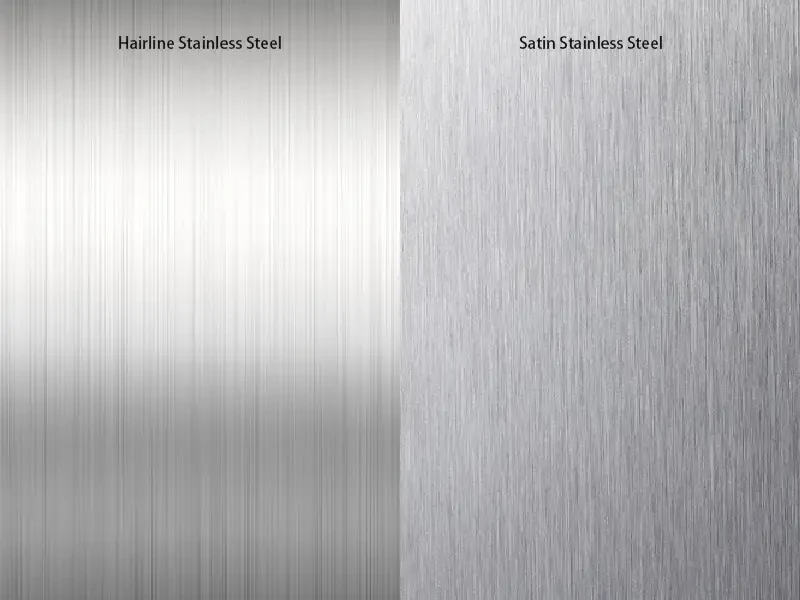
Brushed CNC finishing is widely used for precision machined components because it provides an attractive surface texture, improves product appearance, and delivers consistent finishing results for industries including aerospace, automotive, medical, electronics, and consumer products.
What Types of Brushed Finishes Are Available?
Different brushing techniques and abrasive materials can produce different line patterns, surface textures, and levels of smoothness. The appropriate brushed finish depends on the material, desired appearance, surface roughness, and application requirements.
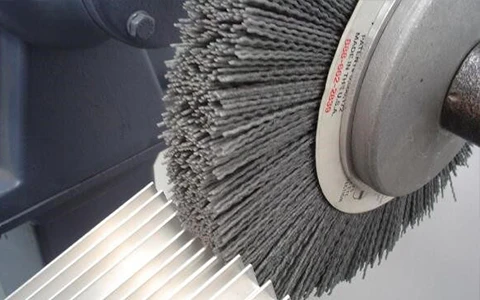
Mechanical Brushed Finish
Mechanical brushing uses abrasive brushes, belts, or wheels to create consistent directional lines on metal surfaces. It is commonly used for CNC machined components requiring a uniform satin texture.
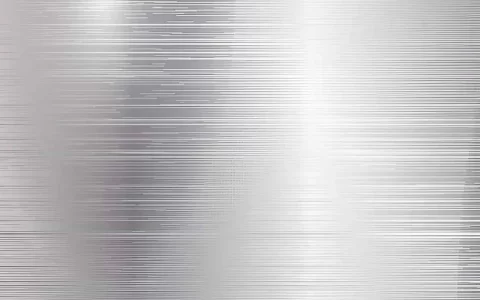
Hairline Brushed Finish
Hairline brushing creates fine, continuous directional lines across a metal surface. It provides a refined appearance and is commonly used for stainless steel, aluminum, electronics, and consumer products.

Satin Brushed Finish
Satin brushing creates a soft, low-gloss texture with controlled surface roughness. It provides a balance between appearance and functionality for industrial, commercial, and consumer applications.
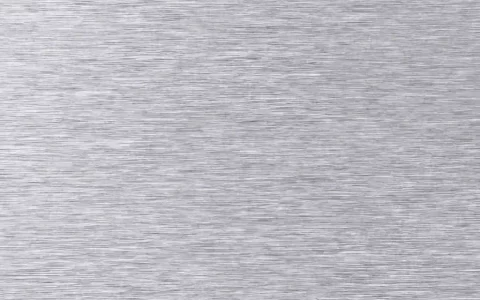
Scotch-Brite Brushed Finish
Scotch-Brite brushing uses non-woven abrasive materials to create a consistent satin texture with minimal material removal. It is suitable for improving surface appearance while maintaining dimensional accuracy.
What Industries Use Brushed Finish?
Brushed finish is widely used across industries that require consistent surface appearance, controlled texture, and professional aesthetics. Common applications include aerospace, automotive, medical, electronics, consumer products, and industrial equipment.
01
How Is Brushed Finish Used in Aerospace?
Aerospace manufacturers use brushed finishes on aluminum, stainless steel, and other metal components to achieve consistent surface appearance while meeting demanding manufacturing requirements.
02
How Is Brushed Finish Used in Medical Devices?
Brushed finishes provide controlled surface textures for medical equipment and precision components while supporting consistent appearance, cleaning, and maintenance requirements.
03
How Is Brushed Finish Used in Automotive Components?
Automotive manufacturers use brushed finishes to create consistent metallic textures on interior trims, housings, covers, and custom machined components.
03
How Is Brushed Finish Used in Electronics?
Brushed finishes are commonly applied to electronic housings and device frames to create a premium metallic appearance while making minor fingerprints and scratches less noticeable.
What Materials Can Receive a Brushed Finish?
Brushed finishing is compatible with many metals used in CNC machining and fabrication. The abrasive type, brushing pressure, and process parameters are selected according to material properties and required surface texture.
| Material | Brushed Finish Result | Common Applications |
|---|---|---|
Steel
Consistent industrial texture
Machinery, equipment
What CNC Manufacturing Services Can Include Brushed Finishing?
Brushed finishing can be combined with CNC machining, sheet metal fabrication, and rapid prototyping to provide complete manufacturing and surface finishing solutions.
01 · CNC MACHINING
CNC Machining Brushed Finish Service
Brushed finishing is commonly applied to CNC milled and turned parts to reduce machining marks and create a consistent directional surface texture.
Supported Processes
Precision machining
02 · SHEET METAL
Sheet Metal Brushed Finish Service
Sheet metal parts often require brushed finishing to improve appearance and create uniform surface patterns for industrial and commercial applications.
Applications
Metal enclosures
Machine covers
Industrial panels
03 · RAPID PROTOTYPING
Rapid Prototyping Surface Finishing
Brushed finishing improves prototype appearance and provides a production-style surface texture, helping engineers evaluate final product designs before mass production.
Common Brushed Finish Problems and How to Solve Them
Although brushed finishing is a reliable surface finishing process, incorrect brushing parameters can cause uneven lines, inconsistent textures, and surface defects. Understanding common problems helps manufacturers achieve consistent CNC part quality.
Why Does Brushed Finish Create Uneven Lines?
Causes
- Uneven brushing pressure
- Incorrect brush speed
- Inconsistent brushing direction
Solutions
- Maintain consistent brushing pressure
- Control brushing speed
- Maintain a consistent brushing direction
Can Brushed Finish Change CNC Part Dimensions?
Cause
Excessive brushing pressure or extended processing time may remove small amounts of material from the surface and affect critical dimensions.
Solutions
- Use controlled brushing pressure
- Control brushing time
- Protect critical tolerance areas
Why Do CNC Parts Have Inconsistent Brushed Patterns?
Causes
- Different abrasive materials
- Uneven surface preparation
- Different brushing directions
Solutions
- Use standardized abrasive materials
- Prepare surfaces consistently
- Maintain a consistent brushing direction
Can Brushed Finish Affect Subsequent Coating or Finishing?
Problem
An inconsistent brushed texture or unsuitable surface roughness can affect the appearance and adhesion of subsequent coatings or treatments.
Solutions
- Control brushing parameters
- Maintain consistent surface roughness
- Clean parts properly before additional finishing
Brushed Finish FAQs
What Is the Difference Between Brushed and Polished Finish?
Brushed finish creates a directional satin or matte texture, while polishing produces a smoother and generally more reflective surface.
What Is the Difference Between Brushed and Bead Blasted Finish?
Brushed finish creates visible directional lines, while bead blasting produces a more uniform matte texture without a directional pattern.
What Materials Can Have a Brushed Finish?
Aluminum, stainless steel, titanium, brass, copper, and steel can all receive brushed finishes when suitable abrasive materials and processing parameters are used.
Is Brushed Finish Suitable for CNC Machined Parts?
Yes. Brushed finish is commonly applied to CNC milled, turned, and other precision machined metal parts to improve surface appearance and create a consistent directional texture.
Get High-Quality CNC Parts With Professional Brushed Finish
Need CNC machined components with a consistent brushed surface finish? Kintec Machining provides precision CNC machining and professional surface finishing for prototypes, custom parts, and low-volume production. Get a brushed finish matched to your material, surface requirements, and application.