


Call us and get your quote!
10% Off Your First Custom Part
-Start Today!
Send your drawings for a free review and quick quote. Our engineers are here to help.
ISO certified | Fast delivery | Factory Direct

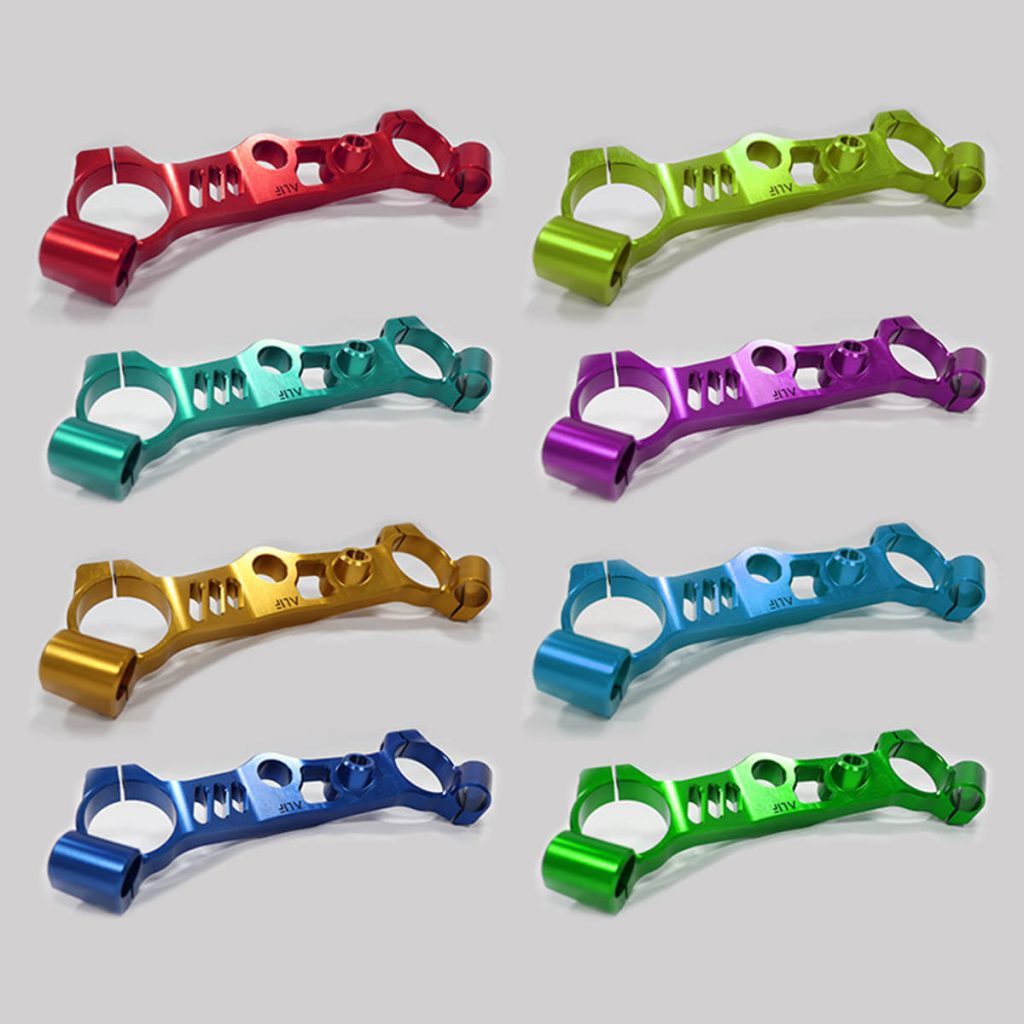

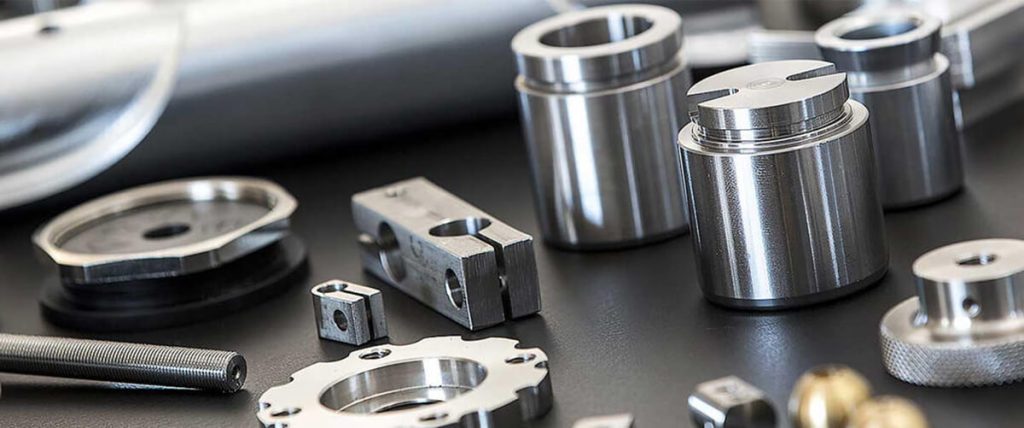
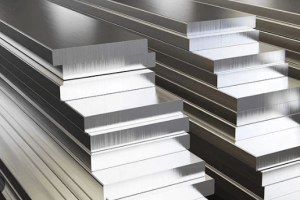
Lightweight, corrosion-resistant, and easy to machine. Aluminum offers an excellent strength-to-weight ratio, making it ideal for aerospace, automotive, electronics, and general industrial components.
| Aluminum Grade | Corrosion Resistance | Typical CNC Machining Applications |
|---|---|---|
| 6061 | Excellent | General-purpose precision parts, automotive components, aerospace fixtures, industrial equipment |
| 5052 | Excellent | Marine hardware, enclosures, sheet metal parts, chemical processing equipment |
| 7075 | Fair | Aerospace structural components, high-strength fixtures, performance automotive parts |
| 2024 | Poor to Fair | Aircraft structural parts, aerospace fittings, components requiring protective coatings |
| 6082 | Very Good | Structural components, transportation equipment, bridges, heavy-duty machinery |
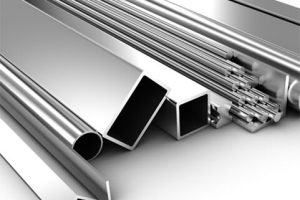
High-strength material with outstanding corrosion and wear resistance. Suitable for medical devices, food processing equipment, marine parts, and demanding industrial applications.
| Stainless Steel Grade | Corrosion Resistance | Typical CNC Machining Applications |
|---|---|---|
| 304 | Excellent | Food processing equipment, medical devices, consumer products, architectural components |
| 316 | Outstanding | Marine equipment, chemical processing, pharmaceutical equipment, surgical instruments |
| 303 | Good | Precision machined parts, fasteners, shafts, gears, fittings |
| 17-4 PH | Good | Aerospace components, pump shafts, valves, high-strength mechanical parts |
| 420 | Fair | Cutting tools, surgical instruments, molds, wear-resistant components |
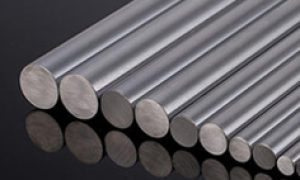
Carbon and alloy steels offer high strength, durability, and wear resistance, making them ideal for CNC-machined shafts, gears, tooling, and industrial components.
| Steel Grade | Corrosion Resistance | Typical CNC Machining Applications |
|---|---|---|
| 1018 Carbon Steel | Fair | Shafts, pins, gears, fixtures, general-purpose machine parts |
| 1045 Carbon Steel | Fair | Shafts, gears, bolts, axles, high-strength mechanical components |
| 4140 Alloy Steel | Fair | Gears, shafts, tooling, automotive and industrial components |
| 4130 Alloy Steel | Fair | Aerospace components, structural parts, automotive components |
| 4340 Alloy Steel | Fair | Heavy-duty shafts, gears, aerospace components, high-strength parts |
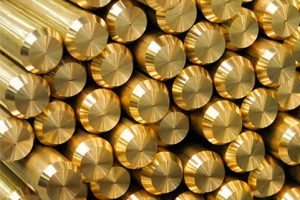
Highly machinable with excellent corrosion resistance and an attractive finish. Commonly used for valves, fittings, electrical components, and decorative hardware.
| Brass Grade | Corrosion Resistance | Typical CNC Machining Applications |
|---|---|---|
| C360 | Good | Precision machined parts, fittings, valves, gears, fasteners |
| C260 | Very Good | Electrical components, architectural hardware, ammunition cases, decorative parts |
| C280 | Good | Marine hardware, fasteners, structural components |
| C464 | Excellent | Marine fittings, propeller shafts, seawater valves, shipbuilding components |
| C485 | Excellent | Pumps, marine fasteners, hydraulic components, corrosion-resistant fittings |

Excellent electrical and thermal conductivity combined with good corrosion resistance. Ideal for electrical contacts, heat sinks, busbars, and power transmission components.
| Copper Grade | Corrosion Resistance | Typical CNC Machining Applications |
|---|---|---|
| C110 | Excellent | Electrical busbars, connectors, heat exchangers, conductive components |
| C101 | Excellent | High-vacuum components, electronics, RF equipment, semiconductor parts |
| C102 | Excellent | Medical equipment, electrical contacts, high-conductivity components |
| C145 | Very Good | Precision machined electrical connectors, welding tips, terminals |
| C172 | Good | Springs, aerospace components, molds, non-sparking tools |
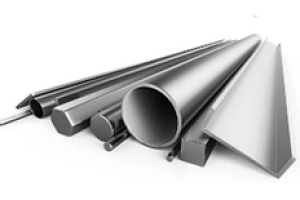
Exceptional strength, lightweight properties, and superior corrosion resistance. Widely used in aerospace, medical implants, marine equipment, and high-performance engineering applications.
| Titanium Grade | Corrosion Resistance | Typical CNC Machining Applications |
|---|---|---|
| Grade 2 (Commercially Pure) | Outstanding | Chemical processing equipment, marine components, medical implants, heat exchangers |
| Grade 5 (Ti-6Al-4V) | Excellent | Aerospace parts, medical implants, automotive performance components, high-strength structural parts |
| Grade 23 (Ti-6Al-4V ELI) | Excellent | Surgical implants, orthopedic devices, aerospace components |
| Grade 7 (Ti-Pd Alloy) | Outstanding | Chemical plants, desalination systems, offshore equipment, acid-handling components |
| Grade 9 (Ti-3Al-2.5V) | Excellent | Aircraft tubing, bicycle frames, sporting goods, lightweight structural parts |
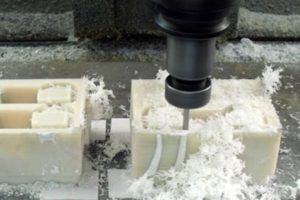
Versatile engineering materials offering lightweight construction, chemical resistance, electrical insulation, and cost-effective machining. Suitable for prototypes, insulators, medical devices, and precision industrial parts.
| Plastic Material | Corrosion Resistance | Typical CNC Machining Applications |
|---|---|---|
| PEEK | Outstanding | Aerospace components, medical devices, semiconductor equipment, high-performance industrial parts |
| Delrin (Acetal/POM) | Excellent | Gears, bushings, bearings, precision mechanical components |
| Nylon (PA6/PA66) | Good | Rollers, wear pads, pulleys, machine parts |
| PTFE (Teflon) | Outstanding | Seals, gaskets, valve seats, chemical processing components |
| UHMW-PE | Excellent | Conveyor guides, wear strips, food processing equipment, impact-resistant parts |
Find the best CNC machining material for your application by comparing material properties such as strength, hardness, corrosion resistance, and machinability across different options.
Choosing the right material is essential for achieving the best balance of performance, durability, cost, and manufacturability. Explore our CNC machining materials guide to compare material properties, machining capabilities, and application suitability to find the ideal option for your specific project requirements.
01
Evaluate key factors such as strength, hardness, corrosion resistance, thermal performance, and weight to determine which material best meets your project requirements.
02
Explore the differences between aluminum, stainless steel, brass, copper, titanium, and plastic to identify the most suitable material for your application.
03
Choose materials based on industry needs, including aerospace, automotive, medical, electronics, robotics, and industrial equipment applications.
04
Balance material performance with machining difficulty, manufacturing cost, lead time, and production volume to achieve the best overall value.
05
Determine the right material by considering operating environments such as corrosion exposure, temperature changes, wear resistance, and chemical contact.
06
Work with CNC machining specialists to review your design requirements and receive recommendations for the most suitable material and manufacturing approach.
Not sure which material is right for your CNC machined parts? Our engineering team can help you evaluate material properties, machining requirements, and application needs to select the best solution for your project. Contact Kintec Machining today for professional material recommendations and a fast quote.
Send your drawings for a free review and quick quote. Our engineers are here to help.
ISO certified | Fast delivery | Factory Direct