


Call us and get your quote!
10% Off Your First Custom Part
-Start Today!
Send your drawings for a free review and quick quote. Our engineers are here to help.
ISO certified | Fast delivery | Factory Direct

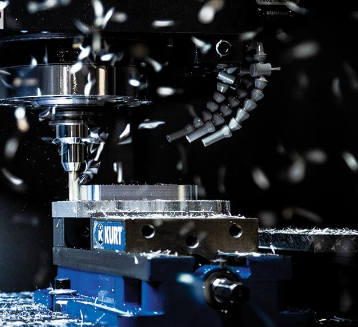
Brass is a copper-based alloy made primarily from copper and zinc, widely used in CNC machining due to its excellent machinability, corrosion resistance, electrical conductivity, and attractive appearance.
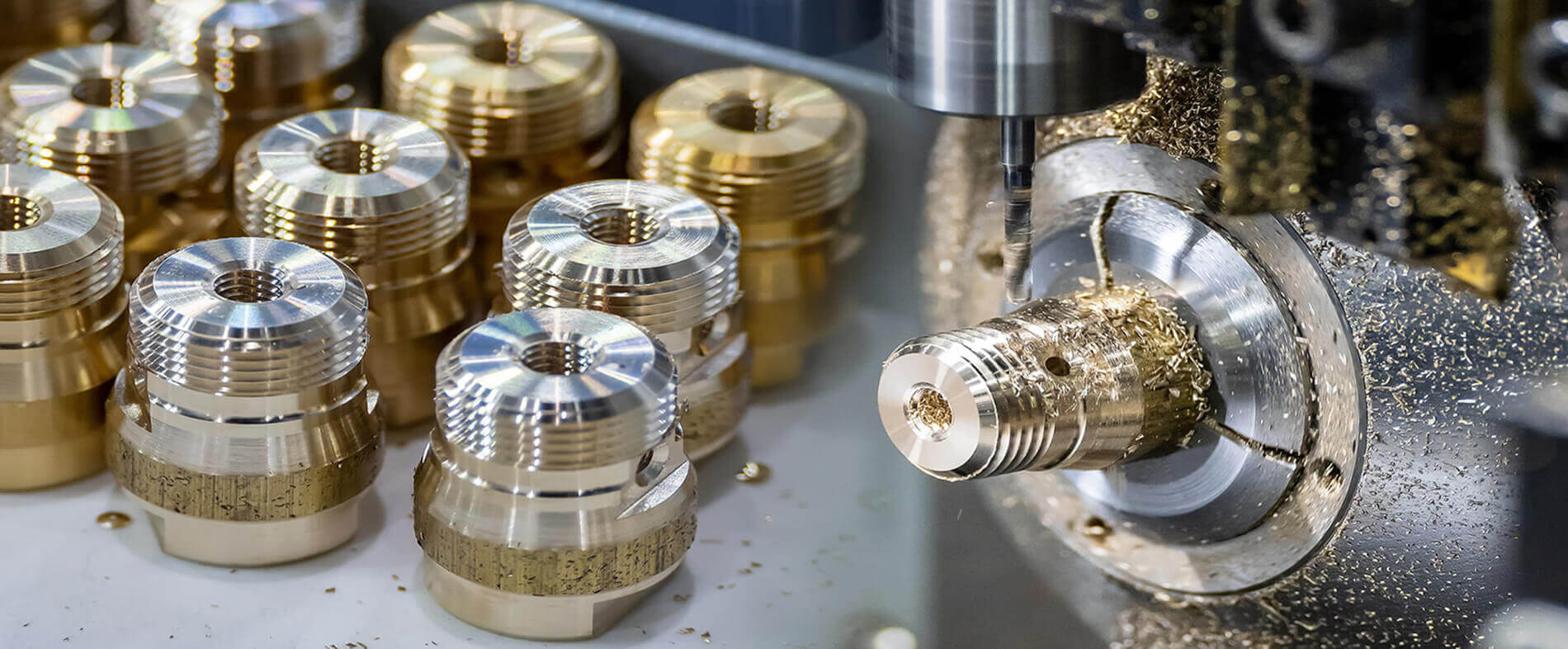
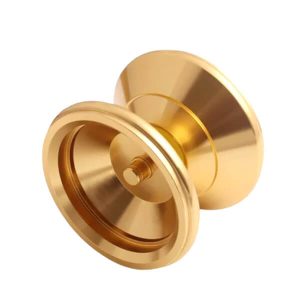
Brass is a copper-based alloy made primarily from copper and zinc, widely used in CNC machining due to its excellent machinability, corrosion resistance, electrical conductivity, and attractive appearance.Compared with many other metals, brass offers outstanding cutting performance, allowing CNC machines to achieve high speeds, tight tolerances, and excellent surface finishes with reduced tool wear.
01
Brass is considered one of the easiest metals to machine because of its excellent chip formation and low cutting resistance.Its superior machinability allows manufacturers to achieve:Faster machining speeds,Longer tool life,Reduced production costs,High-quality surface finishes.This makes brass an excellent choice for complex CNC turned parts and precision components.
02
Brass provides good resistance against corrosion, especially in indoor environments and applications exposed to water or moisture.Its corrosion-resistant properties make CNC brass parts suitable for:Valves,Fittings,Plumbing components,Marine hardware,Industrial equipment.
03
Brass combines good electrical conductivity with mechanical strength, making it suitable for electrical and electronic applications.Common applications include:Electrical connectors,Terminals,Switch components,Conductive parts.
04
Brass has a naturally golden appearance and can achieve excellent surface finishes through CNC machining, polishing, plating, and other finishing processes.It is commonly selected for applications where both performance and visual appearance are important.
05
Due to its excellent machinability, brass can be easily processed into complex geometries with tight tolerances.
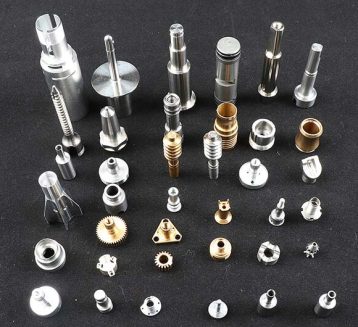
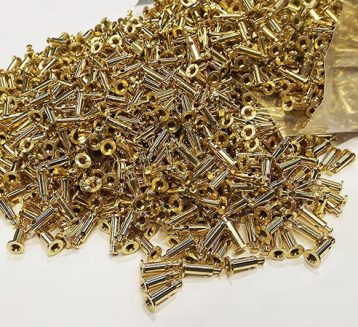
CNC brass machining is widely used for manufacturing small precision parts requiring dimensional accuracy and consistent quality.
Five alloys cover almost every CNC job we run. Each is coded here by finish tone for quick reference on the shop floor.
C360 brass, also known as free-machining brass, is one of the most popular brass alloys for CNC machining.It contains added lead to improve machinability, allowing high-speed machining and excellent chip control.
| Tensile Strength, Yield (MPa) | Fatigue Strength (MPa) | Elongation at Break (%) | Hardness (Brinell) | Density (g/cm³) |
|---|---|---|---|---|
| 345 | 145 | 53 | 95 | 8.50 |
C260 brass, commonly known as cartridge brass, provides excellent ductility, corrosion resistance, and formability.It is widely used for components requiring both mechanical performance and appearance.
| Tensile Strength, Yield (MPa) | Fatigue Strength (MPa) | Elongation at Break (%) | Hardness (Brinell) | Density (g/cm³) |
|---|---|---|---|---|
| 95 | 140 | 68 | 55 | 8.53 |
C464 naval brass contains tin to improve corrosion resistance, especially in marine environments.It is commonly used where durability and resistance to seawater are required.
| Tensile Strength, Yield (MPa) | Fatigue Strength (MPa) | Elongation at Break (%) | Hardness (Brinell) | Density (g/cm³) |
|---|---|---|---|---|
| 250 | 120 | 45 | 80 | 8.41 |
C485 brass, also known as leaded naval brass, is a copper-zinc alloy with added lead to improve machinability. It provides a good balance of corrosion resistance, strength, and cutting performance, making it suitable for precision CNC machining applications..
| Tensile Strength, Yield (MPa) | Fatigue Strength (MPa) | Elongation at Break (%) | Hardness (Brinell) | Density (g/cm³) |
|---|---|---|---|---|
| 275 | 110 | 30 | 80 | 8.41 |
C280 brass, also known as Muntz metal, is a copper-zinc alloy containing a higher percentage of zinc compared with standard brass grades. It offers excellent strength, corrosion resistance, and good machinability.C280 brass is commonly selected for CNC machining applications requiring durable components with good wear resistance and cost efficiency.
| Tensile Strength, Yield (MPa) | Fatigue Strength (MPa) | Elongation at Break (%) | Hardness (Brinell) | Density (g/cm³) |
|---|---|---|---|---|
| 345 | 130 | 40 | 90 | 8.39 |
Kintec provides comprehensive surface finishing solutions for aluminum CNC machined parts, helping manufacturers achieve improved aesthetics, wear resistance, corrosion protection, and dimensional stability. From anodizing and powder coating to polishing and bead blasting, each finishing process is customized to meet specific application requirements.
Brass is one of the most CNC-friendly metals, allowing efficient production with high accuracy and smooth surface finishes.
The stability of brass allows manufacturers to produce precision components with tight tolerances.
Brass performs well in applications exposed to moisture and moderate corrosive environments.
Brass provides a premium metallic appearance suitable for decorative and visible components
Brass is widely used in electrical components due to its conductivity and durability.
Brass CNC machining provides excellent manufacturing advantages, but engineers should consider material properties and application requirements before selecting brass.
Brass is generally more expensive than carbon steel due to its copper content.
For applications requiring extremely high mechanical strength, steel or titanium may be more suitable.
Brass has a higher density than aluminum, making it heavier for weight-sensitive applications.
CNC machined brass components are widely used across industries requiring precision, reliability, corrosion resistance, and excellent machinability.
Brass is widely used in plumbing due to corrosion resistance and long service life.
Applications:
Special brass alloys provide corrosion resistance in marine environments.
Applications:
Brass components provide durability and reliable performance in automotive systems.
Applications:
CNC brass parts are used for precision mechanical components requiring low friction and durability.
Applications:Bearings,Gears,Bushings.
Brass CNC parts are commonly used because of their electrical conductivity and dimensional stability.
Applications:

Yes. Brass is one of the easiest metals to CNC machine because of its excellent machinability, stable dimensions, and ability to achieve high-quality surface finishes.
C360 brass is the most commonly used CNC machining brass grade because it provides excellent machinability and cost efficiency.
Yes. Brass provides good corrosion resistance and performs well in water, moisture, and industrial environments.
Common finishes include:Polishing,Brushing,Nickel plating,Chrome plating,Bead blasting.
Brass generally provides higher strength and wear resistance than aluminum, but aluminum offers lower weight and faster machining.
Kintec Machining provides custom brass CNC machining services for prototypes and production parts with tight tolerances, excellent surface finishes, and reliable manufacturing quality.
Send your drawings for a free review and quick quote. Our engineers are here to help.
ISO certified | Fast delivery | Factory Direct