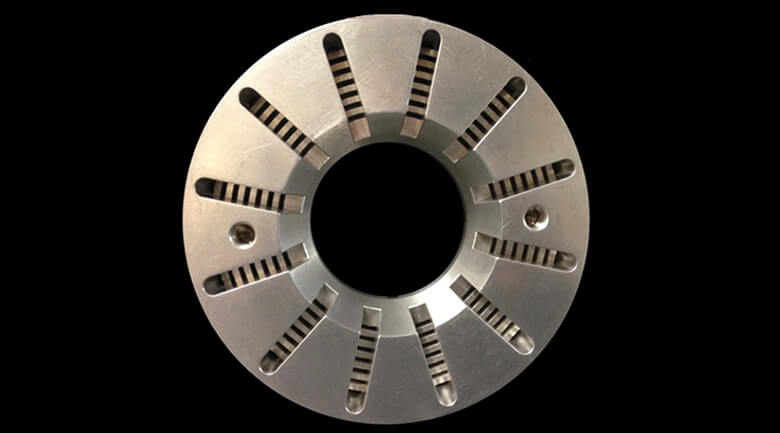
Precision CNC machining means different things to different buyers. For an aerospace engineer, it means ±0.005 mm on a titanium interface. For a medical supplier, it means full material traceability and a CMM report in the box. For a robotics team, it means perpendicular bearing bores that align the first time. What all of them share: a feature that has to be exactly right, every time, with documentation to prove it. This guide covers materials, tolerances, lead times, and supplier checks behind real precision work.
What Is Precision CNC Machining?
Precision CNC machining is the production of custom parts to tight dimensional specifications using computer-controlled mills, lathes, and multi-axis equipment. The defining feature isn’t speed — it’s repeatability. A precision shop cuts the hundredth part to the same spec as the first, with inspection data to prove it. That combination of tolerance and traceability separates this kind of work from general-purpose machining.
Tolerances in Precision CNC Machining
Not every feature needs a tight call-out, and over-specifying is the most common avoidable cost in a CNC quote. Apply tight tolerances only where the feature mates, seals, locates, or requires inspection proof.
| Tolerance Level | Typical Range | Where It Belongs |
|---|---|---|
| General (ISO 2768-m) | ±0.13 mm (±0.005″) | Non-critical features |
| Tight | ±0.025 mm (±0.001″) | Mating surfaces, fits |
| Precision | ±0.013 mm (±0.0005″) | Bearings, seals, alignment |
| High-precision | ±0.005 mm (±0.0002″) | Aerospace, medical, optics |
Materials Used in Precision CNC Machining
Precision work runs across the full material range. The choice drives stock cost, cycle time, tooling, and the documentation requirements behind it:
| Material | Precision Use Case | Typical Industries |
|---|---|---|
| Aluminum 6061 / 7075 | Tight-tolerance housings, robotics mounts | Aerospace, robotics, electronics |
| Stainless 303 / 316 / 17-4PH | Surgical instruments, valve bodies | Medical, marine, aerospace |
| Titanium Ti-6Al-4V | Structural aerospace & implant work | Aerospace, medical |
| Brass / copper | Precision electrical contacts, RF parts | Electronics, defense |
| PEEK / PTFE | Medical-grade seals and insulators | Medical, chemical |
Lead Times for Precision CNC Machining Parts
Precision machined parts take longer than general work — inspection, finishing, and documentation all add time. Simple precision prototypes typically ship in 5–10 days, complex 5-axis precision parts in 1–2 weeks, and low-volume production with CMM reports and material certs in 3–5 weeks.
Where Precision CNC Machining Is Used
High-precision machined parts show up wherever tight fit, proven traceability, or regulatory compliance matters: aerospace brackets and impellers, medical implants and surgical instruments, automotive and EV motor housings, robotics joint mounts, and semiconductor equipment chambers. See our case studies for real examples across these industries.
How to Source Precision CNC Machining
A real precision machining shop offers DFM feedback before quoting, CMM inspection in-house with calibration records on file, mill certs traceable to heat numbers, and ISO 9001:2015 at minimum. Check the quality certifications page for what to request before you place an order. If a supplier can’t produce sample CMM data or hesitates on a video tour, they’re not running the tight-tolerance work they’re selling you.
FAQ: Precision CNC Machining
What does precision machining mean?
The production of custom parts to tight dimensional tolerances — typically ±0.013 mm or tighter — with inspection data proving every critical feature meets the specification.
What tolerances can precision machining hold?
General work runs ±0.13 mm. Precision features reach ±0.013 mm. High-precision aerospace and medical features go down to ±0.005 mm on proper 5-axis equipment with CMM inspection.
How long does precision machining take?
Precision prototypes typically ship in 5–10 days, 5-axis complex parts in 1–2 weeks, and documented production runs in 3–5 weeks depending on quantity, material, and finishing requirements.
Tired of "Precision" Parts That Fail Your First Inspection?
Kintec Machining treats inspection as part of the part, not an optional extra.
- Free DFM review before quoting — tight tolerances only where they belong
- 5-axis, milling, turning & Swiss in one shop — no datum loss between vendors
- ISO 9001:2015 certified — documents available before you order
- Honest 24-hour quotes
👉 Send us your drawing and get a free precision CNC machining quote in 24 hours.