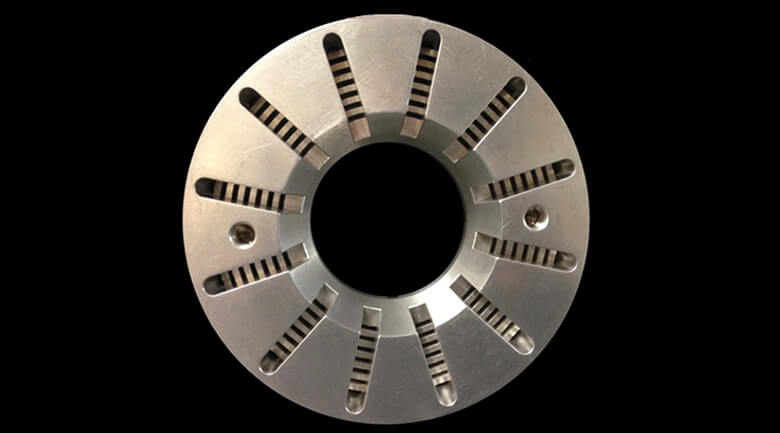
Stainless steel is the go-to material when corrosion resistance, strength, and traceability all matter — medical instruments, marine fittings, food equipment, valve bodies, aerospace fasteners. Stainless steel CNC machining cuts slower than aluminum and wears tools faster, but the grade choice and finishing decisions are what really separate a successful order from a service failure. This guide walks B2B engineers and sourcing managers through the grades, tolerances, lead times, finishing, and how to avoid the suppliers who quietly cut corners.
What Is Stainless Steel CNC Machining?
Stainless steel CNC machining is the production of custom stainless parts cut from solid bar, plate, or billet on computer-controlled mills and lathes. Stainless work-hardens easily, generates more heat than aluminum, and demands proper feeds, speeds, and tool selection. Done right, it delivers parts with excellent corrosion resistance, mechanical strength, and the documentation regulated industries require.
Best Stainless Steel Grades for CNC Machining
Grade choice swings machinability, corrosion performance, and cost more than any other factor in a stainless quote. The most common options for CNC milling and turning:
| Grade | Why It’s Used | Machinability | Common Applications |
|---|---|---|---|
| 303 | Free-machining austenitic; faster cycles | Excellent | Fittings, fasteners, high-volume parts |
| 304 / 304L | Standard food-grade corrosion resistance | Moderate | Food equipment, enclosures, general |
| 316 / 316L | Marine-grade, chemical resistance | Moderate | Marine, medical, chemical, surgical |
| 17-4PH | High strength, heat-treatable, corrosion resistant | Fair | Aerospace, valves, surgical instruments |
| 416 / 410 | Magnetic, hardenable | Good | Shafts, valve stems, pump components |
Use 303 when machinability matters more than the last bit of corrosion resistance. Move to 304 or 316 when service environment demands it. Pick 17-4PH only when you need both strength and corrosion resistance — it costs more in stock and tool wear.
Tolerances and Lead Times for Stainless CNC Machining
Stainless steel machining hits general tolerances of ±0.13 mm comfortably, precision features to ±0.013 mm, and high-precision medical or aerospace features down to ±0.005 mm with proper equipment. Lead times run slightly longer than aluminum because stainless cuts slower: simple prototypes in 5–10 days, complex 5-axis stainless parts in 2–3 weeks, low-volume production in 3–5 weeks. Add a week for passivation or electropolishing.
Applications of Machined Stainless Steel Parts
- Medical: surgical instruments (303 / 17-4PH), implant pre-forms, device housings
- Food & beverage: processing equipment, fittings, dispensing valves (304)
- Marine & chemical: pump bodies, fittings, valve stems (316)
- Aerospace: fasteners, brackets, fuel-system components (17-4PH)
- Industrial: shafts, fittings, custom valves (303, 416)
Surface Finishes for CNC Machined Stainless
The single most under-specified step in stainless work is passivation. Machining can leave free iron particles embedded in the surface — often from carbon-steel tooling used in the same shop — and untreated, those particles cause rust spots within weeks. Always specify passivation per ASTM A967 unless the part is heading directly to electropolishing. Other common finishes: bead blasting (matte), brushing (#4 finish), polishing (mirror), and laser marking for traceability.
How to Source Quality Stainless Steel CNC Machining
Verify the supplier owns the machines, holds current ISO 9001:2015 (plus ISO 13485 if your work is medical), runs CMM inspection in-house, and produces mill certs traceable to the stainless heat number. Ask specifically how they prevent carbon-steel contamination — a real factory will have a clear answer. A broker won’t.
FAQ: Stainless Steel CNC Machining
What’s the best stainless grade for CNC machining?
303 for free-machining production parts, 304 for general food and enclosure work, 316 for marine and medical, and 17-4PH where strength and corrosion resistance must coexist.
What tolerances can machined stainless parts hold?
General around ±0.13 mm, precision to ±0.013 mm, and high-precision medical or aerospace features down to ±0.005 mm with 5-axis equipment and CMM inspection.
Do stainless parts need passivation?
Yes — almost always. Machining can leave free iron contamination that causes rust in service. Specify passivation per ASTM A967 at quote time.
Tired of Stainless Parts That Arrive Looking Scratched and Patchy?
Kintec Machining controls the surface chain — machining, deburring, brushing, polishing, passivation — so the part you spec is the part you see.
- Proper feeds and speeds for stainless to minimize tool marks at the source
- Brushed, mirror polished, bead blasted, or electropolished — locked at quote
- Sample finish chips available before production runs
- Factory-direct — no broker between your spec and the finish
- Honest 24-hour quotes
👉 Send us your drawing and get a free factory-direct stainless quote in 24 hours.