


Call us and get your quote!
10% Off Your First Custom Part
-Start Today!
Send your drawings for a free review and quick quote. Our engineers are here to help.
ISO certified | Fast delivery | Factory Direct

Gain practical CNC machining engineering knowledge to improve part design, manufacturing efficiency, and product quality. Explore expert guidance on surface finishing, machining tolerances, quality standards, manufacturing tips, engineering terminology, cost optimization, and common machining defects.
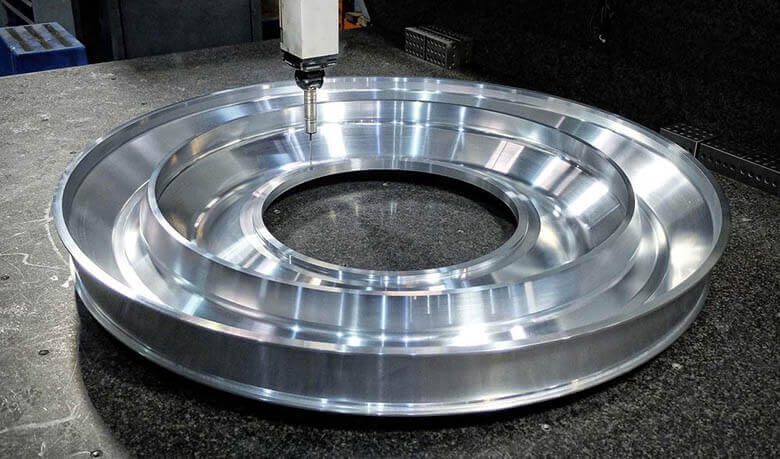
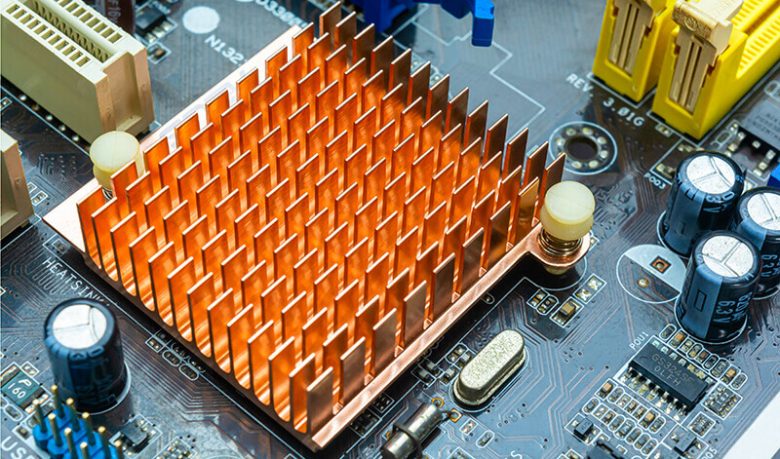
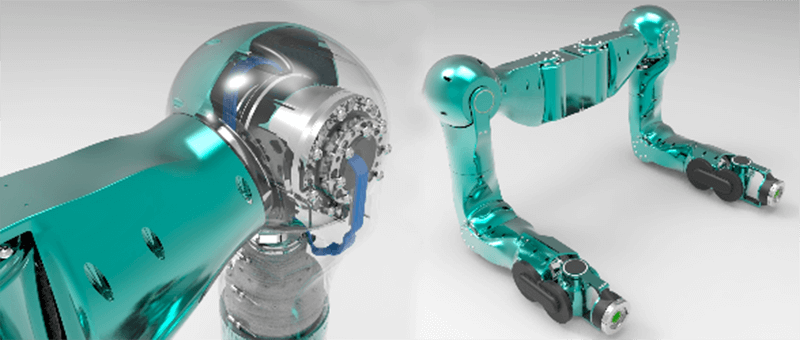
Understand different CNC surface finishing methods, including anodizing, powder coating, polishing, plating, and bead blasting. Learn how surface finishes affect appearance, corrosion resistance, durability, and functional performance.
01
Anodizing improves Material’s corrosion and wear resistance by creating a durable oxide layer on the surface. Available in various colors, it enhances both the appearance and functional performance of aluminum parts.
02
Powder coating applies a durable protective layer that provides excellent color options, UV resistance, and corrosion protection. The process uses dry powder coating, creating a smooth and environmentally friendly finish.
03
Electroplating deposits a thin metal layer onto Material surfaces to enhance properties such as corrosion resistance, conductivity, hardness, and wear resistance. Common plating materials include nickel, copper, gold, zinc, and chrome.
04
Painting applies a protective coating to Material parts to improve appearance and provide additional corrosion and wear resistance. It offers customizable colors and finishes ranging from matte to glossy and metallic effects.
05
Sand blasting uses high-pressure abrasive media to clean Material surfaces and create a uniform textured finish. It removes machining marks, improves surface consistency, and prepares parts for further finishing processes.
Understand different CNC surface finishing methods, including anodizing, powder coating, polishing, plating, and bead blasting. Learn how surface finishes affect appearance, corrosion resistance, durability, and functional performance.
Discover the key factors that influence CNC machining success, from accurate tolerances and quality control to engineering communication and cost-effective manufacturing strategies.
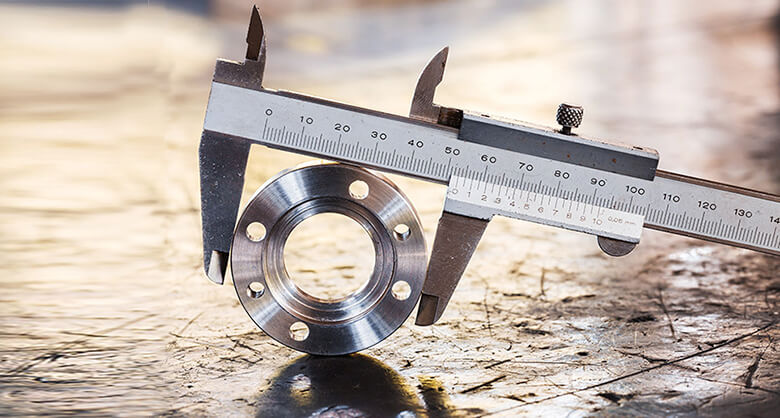
Learn how CNC machining tolerances affect part accuracy, assembly performance, and manufacturing costs. Understand standard tolerances, precision requirements, and how to optimize designs for reliable production.
Explore essential CNC machining terminology, including GD&T, datum references, tool paths, machining processes, and manufacturing concepts to improve communication between engineers and manufacturers.

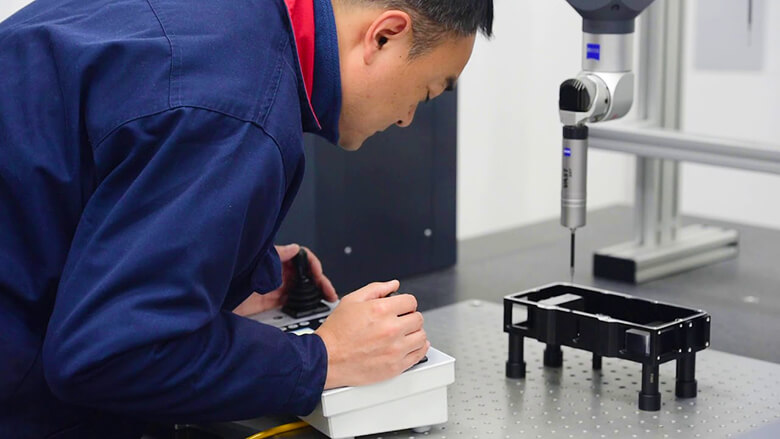
Explore essential CNC machining terminology, including GD&T, datum references, tool paths, machining processes, and manufacturing concepts to improve communication between engineers and manufacturers.
Learn practical cost optimization strategies, including material selection, design improvements, machining process adjustments, and production planning to reduce CNC manufacturing expenses.

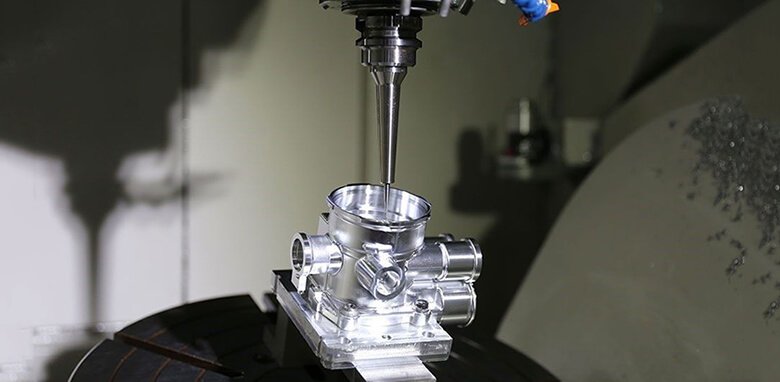
Discover expert CNC manufacturing tips for improving machinability, reducing production time, selecting suitable materials, optimizing designs, and achieving better machining results.
Identify common CNC machining defects such as poor surface finish, dimensional inaccuracies, tool marks, burrs, and deformation. Learn how proper design, machining parameters, and quality control can prevent manufacturing issues.
Understand the common causes of poor CNC surface finishes, including incorrect cutting parameters, worn tools, vibration, and improper machining strategies. Learn how optimized speeds, feeds, and finishing processes improve part appearance and performance.
Learn why CNC parts may fail to meet dimensional requirements due to machine calibration errors, thermal effects, tool wear, or incorrect setups. Discover how precision machining practices and inspection methods ensure accurate results.
Explore the reasons behind visible tool marks on CNC machined surfaces and how proper tool selection, cutting parameters, and machining techniques can achieve smoother finishes and higher-quality parts.
Discover why burrs form during CNC machining and how manufacturers reduce them through optimized cutting conditions, appropriate tooling, deburring processes, and improved part design.
Learn how material properties, clamping forces, heat generation, and machining strategies can cause part deformation. Explore methods to maintain part stability and achieve consistent machining accuracy.
Understand how CNC inspection processes, precision measurement tools, and quality management systems help detect and prevent defects before final delivery.
Apply our CNC machining expertise to your next project. From design optimization and material selection to precision machining and quality inspection, our engineering team helps you achieve accurate, reliable, and cost-effective CNC parts.
Send your drawings for a free review and quick quote. Our engineers are here to help.
ISO certified | Fast delivery | Factory Direct