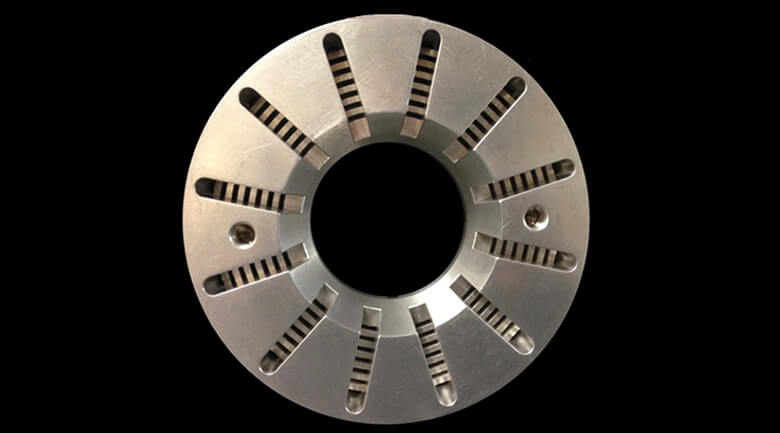
Aluminum is the workhorse of CNC machining. Light, strong-for-its-weight, corrosion-resistant, and faster to cut than almost anything else in the shop — it’s why aluminum CNC machining shows up in every B2B sector from aerospace to electronics. This guide walks engineers and sourcing managers through the alloys that matter, the tolerances you can expect, realistic lead times, and how to source quality parts without paying a broker layer.
What Is Aluminum CNC Machining?
Aluminum CNC machining is the production of custom aluminum parts cut from solid stock — billet, bar, or plate — by computer-controlled mills and lathes following your CAD file. Because aluminum machines cleanly at high spindle speeds, it delivers shorter cycle times and lower per-part cost than steel or titanium while supporting the same tight tolerances. That speed advantage is why aluminum dominates prototype, low-volume, and high-volume CNC work alike.
Best Aluminum Alloys for CNC Machining
The grade you pick swings cost, machinability, and final performance more than buyers expect. The most common choices for CNC milling and turning:
| Alloy | Strength | Machinability | Common Uses |
|---|---|---|---|
| 6061-T6 | Moderate | Excellent | Housings, brackets, robotics, prototypes |
| 7075-T6 | High | Very good | Aerospace structures, high-load brackets |
| 2024-T3 | High | Good | Aerospace, fatigue-resistant parts |
| 6063 | Lower | Excellent | Heat sinks, RF housings, extruded profiles |
| 5052 | Moderate | Good | Marine, formed components |
6061 is the cost-efficient default. Switch to 7075 only when the load case genuinely demands it — the strength premium often isn’t needed.
Tolerances and Lead Times for Aluminum CNC Machining
Aluminum machining hits general engineering tolerances of ±0.13 mm comfortably, precision features to ±0.013 mm, and high-precision aerospace features down to ±0.005 mm with the right equipment. Simple prototypes ship in 3–7 days, complex 5-axis aluminum parts in 1–2 weeks, and low-volume production in 2–4 weeks. Add a week if anodizing is required.
Where Aluminum CNC Machining Parts Are Used
Aluminum CNC machined parts show up across every precision B2B industry:
- Aerospace: structural brackets, machined-from-billet housings, optical mounts
- Automotive & EV: battery housings, motor brackets, performance parts
- Robotics: joint housings, end-effector mounts, lightweight frames
- Electronics: heat sinks, RF enclosures, instrument housings
- Medical: non-implantable device enclosures and diagnostic equipment
How to Source Quality Aluminum CNC Machining
The hardest part of sourcing machined aluminum parts isn’t the design — it’s avoiding a supplier who doesn’t actually own the machines. Before you place an order, verify equipment ownership with a video tour, confirm ISO 9001:2015 certification, ask for CMM inspection reports, and request mill certs traceable to the aluminum heat number. A broker can’t produce most of these on demand. A real factory can.
Surface Finishes for Machined Aluminum
Bare aluminum scratches easily and dulls over time. Most B2B aluminum parts get a finishing operation: Type II clear or color anodizing for general housings, Type III hard-coat anodizing for wear-resistant and outdoor parts, bead blasting for matte cosmetics, and powder coating for structural components. Specify the finish at quote time — adding it after parts ship is the single most common cause of slipped delivery dates.
FAQ: Aluminum CNC Machining
What’s the best aluminum alloy for CNC machining?
6061-T6 is the cost-efficient default for housings, brackets, and prototypes. Use 7075-T6 when high strength matters, 2024 for fatigue-critical aerospace parts, and 6063 for heat sinks and RF housings.
What tolerances can aluminum CNC machining hold?
General tolerances around ±0.13 mm, precision features to ±0.013 mm, and high-precision aerospace or optical features down to ±0.005 mm with proper 5-axis equipment and CMM inspection.
What surface finishes work on machined aluminum?
Type II decorative anodizing, Type III hard-coat anodizing, bead blasting, brushing, polishing, and powder coating. Specify the finish at quote time — adding it later is the most common cause of slipped delivery dates.
Tired of Aluminum Parts That Look Wrong After Anodizing?
Kintec sends every order with the proof: mill cert tied to a specific heat number, CMM inspection on critical features, and DFM feedback before the first chip flies.
- Material certs traceable to the mill heat — not “we’ll see what we can get”
- Factory-direct CNC machining in 6061, 7075, 2024, 6063 and more
- CMM inspection reports on every order
- Free DFM review on every drawing
- Milling, turning, 5-axis & Swiss in one shop
👉 Send us your drawing and get a free factory-direct quote in 24 hours.