Large Part Injection Molding: Tooling and Production Guide
Large part injection molding covers plastic components too big for standard bench-top presses — automotive panels, equipment housings, and structural enclosures often exceeding 500mm in a single dimension. Tooling size, press tonnage, and mold cooling design all shift once parts grow past typical prototype scale, and getting any one of them wrong shows up as warping, sink marks, or a mold that never fills. This guide covers tooling materials, tolerances, and lead times for oversized molded parts.
What Is Large Part Injection Molding?
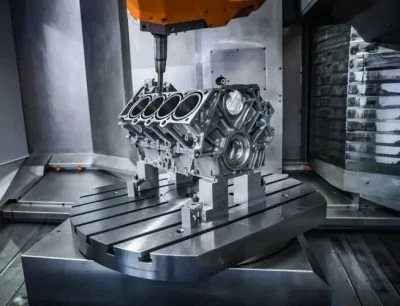
Large part injection molding uses high-tonnage presses (often 500–3,000+ tons) and correspondingly large mold bases to produce plastic parts beyond the size range of standard tooling. The core process follows the same injection molding principles as small parts, but mold flow, cooling channel layout, and gate placement all need re-engineering to prevent uneven shrinkage across a larger surface. The tooling itself is CNC-machined from aluminum or tool steel blocks large enough to house the full cavity and core.
Large Part Injection Molding vs Standard Injection Molding
| Factor | Large Part Injection Molding | Standard Injection Molding |
|---|---|---|
| Typical part size | 500mm–2000mm+ | Under 500mm |
| Press tonnage | 500–3,000+ tons | 50–500 tons |
| Mold tooling lead time | 6–12 weeks | 3–6 weeks |
| Tolerance achievable | ±0.15–0.3 mm | ±0.05–0.1 mm |
| Common tooling material | P20 / H13 steel | Aluminum or P20 steel |
| Typical applications | Panels, housings, structural covers | Connectors, brackets, small enclosures |
Large Part Injection Molding Materials, Tolerances & Lead Times
Resin and mold steel selection both scale with part size — larger cavities need tooling that resists heat cycling without warping. Reference ASTM plastics and tool steel standards when specifying material grades on a large-tool drawing.
| Material | Common Use Case | Typical Tolerance | Standard Lead Time |
|---|---|---|---|
| P20 tool steel (mold base) | Mid-to-high volume large-part tooling | ±0.15 mm | 6–10 weeks |
| H13 tool steel | High-heat, high-cycle large tooling | ±0.15 mm | 8–12 weeks |
| Aluminum 7075 (bridge tooling) | Large-part prototype and low-volume runs | ±0.2 mm | 3–5 weeks |
| ABS / PC / PP resin | Automotive panels, equipment housings | ±0.2–0.3 mm | Molding: 1–2 weeks post-tooling |
| Stainless mold inserts | Corrosion-resistant cavity details | ±0.1 mm | 4–7 weeks |
Large Part Injection Molding Applications by Industry
- Automotive large-part molding: bumper covers, interior trim panels, and battery enclosure housings.
- Industrial equipment housings: large machine covers and control panel enclosures molded in ABS or PC.
- Robotics & automation panels: oversized structural covers for autonomous mobile robots and conveyor guards.
- Medical equipment enclosures: large diagnostic and imaging device housings requiring tight cosmetic tolerance.
- Consumer appliance housings: large molded shells for white goods and outdoor equipment.
How to Plan a Large Part Injection Molding Project
Start with press tonnage and mold base size, not just part geometry — a tool that doesn’t fit the target press means a rebuild. Confirm the shop’s machining capabilities can produce a mold base at the required scale, and check quality certifications such as ISO 9001 before committing tooling budget. For design validation, an aluminum bridge tool machined via 5-axis machining can confirm fit and finish before cutting steel.
FAQ: Large Part Injection Molding
What size counts as a large part in injection molding?
There’s no fixed cutoff, but parts over roughly 500mm in any dimension typically require tonnage and mold handling beyond standard-size tooling.
How long does large part injection molding tooling take?
Steel mold bases for large parts typically take 6–12 weeks; aluminum bridge tooling for prototype validation can ship in 3–5 weeks.
What tolerance can large molded parts hold?
Large parts typically hold ±0.15–0.3 mm due to greater shrinkage variation across the part, compared to ±0.05–0.1 mm on small standard-size parts.
Can a large part injection mold be prototyped before cutting steel?
Yes — an aluminum bridge tool validates fit, fill, and cosmetic finish at a fraction of the steel tooling cost and lead time.
Get Your Large Part Injection Molding Quote
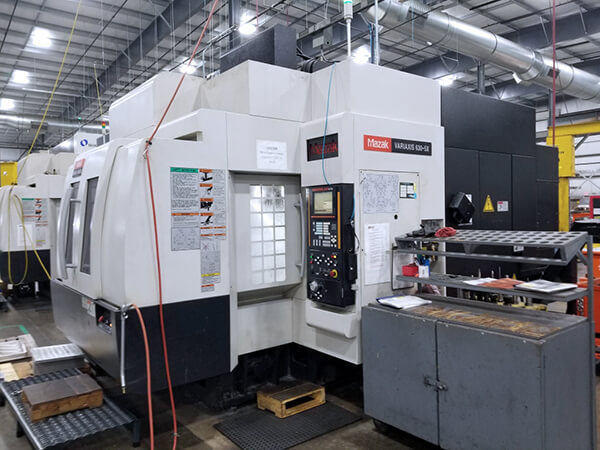
Kintec machines large mold tooling and matched precision components in-house, using CNC milling, turning, and 5-axis capability sized for oversized cavities and cores.
- Aluminum bridge tooling for large-part design validation
- P20/H13 steel tooling for full production volume
- 5-axis machining for complex large-cavity geometry
- Material certs and mold trial reports on request
- ISO 9001:2015 certified facility
👉 Send your large-part drawing now and get a free injection molding tooling quote in 24 hours.