Aluminum vs. Steel Tooling
Choosing between aluminum tooling and steel tooling shapes cost, lead time, and cycle life before a single part is molded. Aluminum tooling machines faster and ships sooner — ideal for bridge production and design validation. Steel tooling costs more upfront but survives hundreds of thousands of cycles for full production. Getting this call wrong means paying twice: once for the wrong mold, again for the rebuild.
What Is Tooling in CNC Machining and Injection Molding?
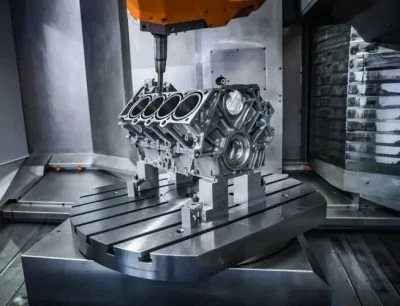
Tooling refers to the molds, inserts, and fixtures machined to shape plastic or metal parts repeatedly. In injection molding, the tool material determines how many shots the mold can produce before wear affects part dimensions. Both aluminum and tool steel tooling are CNC-machined to the same geometric tolerances — the difference is durability and cost, not achievable precision.
Aluminum Tooling vs Steel Tooling: Key Differences
| Factor | Aluminum Tooling | Steel Tooling (P20 / H13 / S7) |
|---|---|---|
| Machining speed | 2–3x faster than steel | Slower, harder material |
| Typical cycle life | 1,000–100,000 shots | 100,000–1,000,000+ shots |
| Lead time | 1–3 weeks | 4–8 weeks |
| Relative tooling cost | 30–50% lower | Higher upfront investment |
| Heat dissipation | Faster — shorter molding cycles | Slower, needs cooling channels |
| Best fit | Prototyping, bridge tooling, low volume | High-volume production tooling |
Tooling Materials, Tolerances & Lead Times
Material grade inside each category also affects performance. Reference ASTM tool steel standards when specifying hardness and composition on a tooling drawing.
| Material | Common Use Case | Typical Tolerance | Standard Lead Time |
|---|---|---|---|
| Aluminum 7075 / QC-10 | Prototype and bridge molds | ±0.013 mm | 1–3 weeks |
| P20 tool steel | Mid-volume production molds | ±0.010 mm | 3–6 weeks |
| H13 tool steel | Die casting, high-heat tooling | ±0.008 mm | 4–7 weeks |
| S7 tool steel | High-impact stamping dies | ±0.008 mm | 4–8 weeks |
| Stainless 420 | Corrosion-resistant mold inserts | ±0.010 mm | 3–6 weeks |
Aluminum vs Steel Tooling Applications by Industry
- Medical device tooling: aluminum bridge tools validate design before steel tooling funds full production.
- Automotive & EV tooling: steel tooling for interior trim and battery components running hundreds of thousands of cycles.
- Robotics & electronics tooling: aluminum tooling for enclosures during low-volume launch phases.
- Aerospace component tooling: steel inserts for high-temperature composite and metal forming tools.
- Consumer product tooling: aluminum tooling for market-test runs before committing to steel production molds.
How to Choose Between Aluminum and Steel Tooling
Volume decides the answer more than any other factor. Under 10,000 parts, aluminum tooling recovers its lower cost and faster lead time before wear becomes a concern. Above 100,000 parts, steel tooling’s cycle life offsets the higher upfront spend. A shop offering both — with 5-axis machining for complex cavity geometry — lets you start in aluminum and transition to steel without changing suppliers or losing part data. Confirm quality certifications like ISO 9001 before committing tooling budget.
FAQ: Aluminum vs Steel Tooling
Is aluminum tooling strong enough for production runs?
Yes, for volumes up to roughly 100,000 shots depending on part geometry and resin abrasiveness; beyond that, steel tooling holds tolerance longer.
How much faster is aluminum tooling to machine than steel?
Aluminum tooling typically machines 2–3 times faster than tool steel, cutting lead time from 4–8 weeks down to 1–3 weeks.
Can an aluminum prototype tool be converted to a steel production tool?
The aluminum tool itself isn’t converted, but its validated CAD and process data transfer directly into steel tool design, avoiding rework.
Which tooling material holds tighter tolerance?
Both reach comparable tolerances as-machined (±0.008–0.013 mm); steel holds that tolerance over far more cycles due to lower wear.
Get Your Tooling Quote — Aluminum or Steel
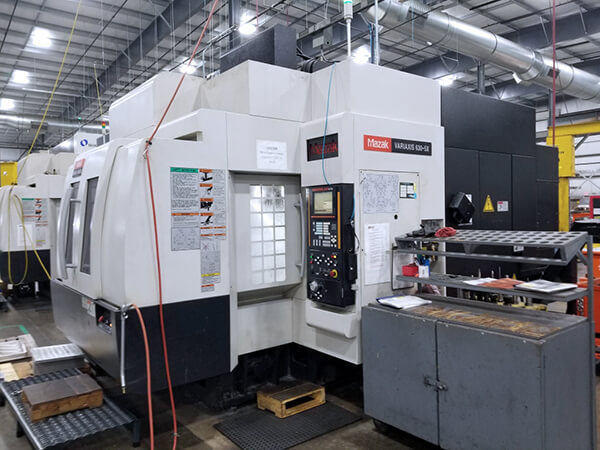
Kintec machines both aluminum and steel tooling in-house, backed by CNC milling, turning, and precision equipment suited to both bridge and production tooling.
- Aluminum tooling in 1–3 weeks for prototype and bridge runs
- Steel tooling (P20/H13/S7) for high-volume production
- 5-axis cavity machining for complex geometry
- Material certs and hardness reports on request
- ISO 9001:2015 certified facility
- 24-hour quote turnaround
👉 Send your tooling drawing now and get a free aluminum or steel tooling quote in 24 hours.