What Is CNC Machining? A Complete Guide for Beginners
Introduction
CNC machining is one of the most widely used manufacturing processes for producing high-precision custom CNC parts. Whether you are an engineer, product designer, or procurement specialist, understanding CNC machining can help you make better decisions on cost, quality, and production efficiency.
In this guide, we’ll explain what CNC machining is, how it works, and when you should use it.
What Is CNC Machining?
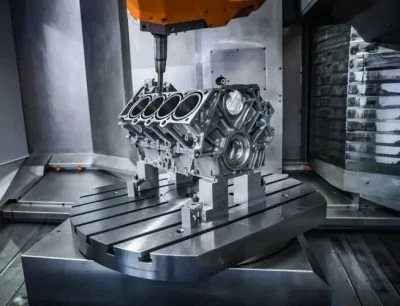
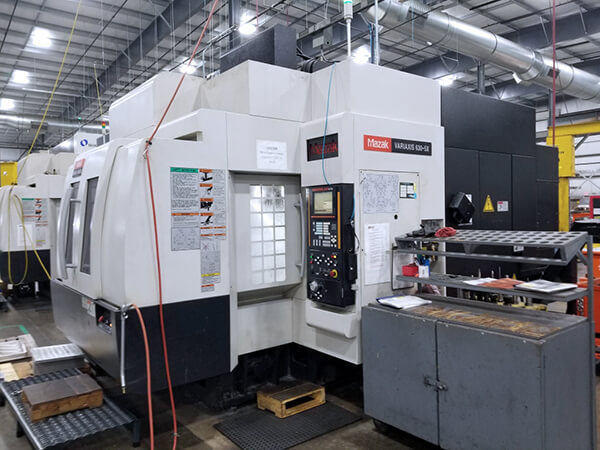
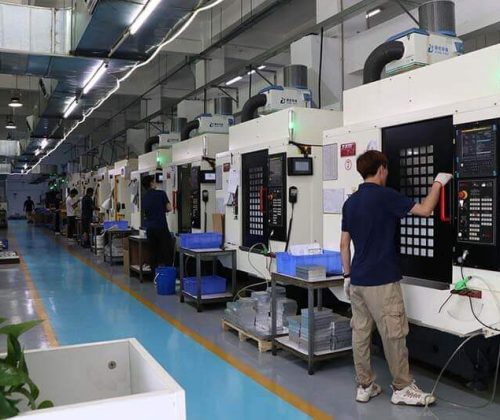
CNC (Computer Numerical Control) machining is a manufacturing process in which pre-programmed computer software controls the movement of machinery and tools.
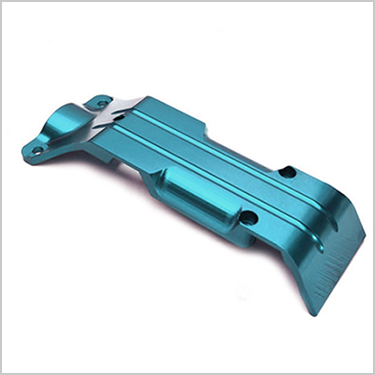
It is commonly used in CNC machining services to produce precision parts from materials like metal and plastic with high accuracy and repeatability.
Unlike manual machining, CNC machining automates the cutting process, ensuring consistent quality and tight tolerances.
How Does CNC Machining Work?
The CNC machining process typically involves the following steps:
- CAD Design: A 2D or 3D model of the part is created using CAD software.
- CAM Programming: The CAD file is converted into machine instructions (G-code).
- Machine Setup: Operators prepare the CNC machine, tools, and materials.
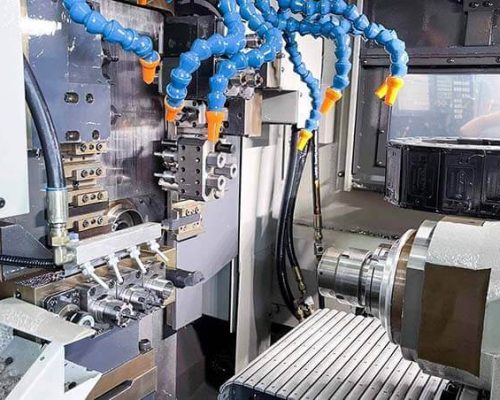
- Machining Process: The machine removes material from a solid block (subtractive manufacturing).
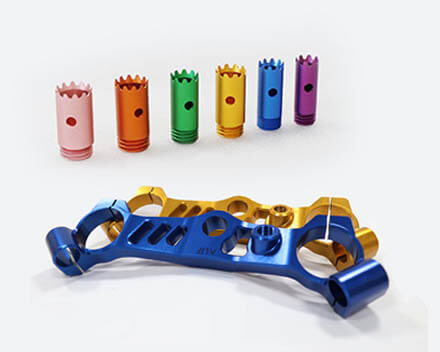
- Finishing & Inspection: After machining, parts often require additional surface finishing to improve durability, corrosion resistance, and appearance.
Types of CNC Machining Proces
- CNC Milling: CNC milling uses rotating cutting tools to remove material from a workpiece. It is ideal for complex geometries and flat surfaces.
- CNC Turning: CNC turning rotates the workpiece while a cutting tool shapes it. It is best for cylindrical parts.
- 5-Axis CNC Machining: This advanced process allows movement in five directions, enabling the production of highly complex parts in a single setup.
Advantages of CNC Machining
- High precision and tight tolerances
- Excellent repeatability for mass production
- Wide range of compatible materials
- Reduced human error
- Fast production for prototypes and batches
Common Materials Used in CNC Machining
CNC machining supports a variety of materials, including:
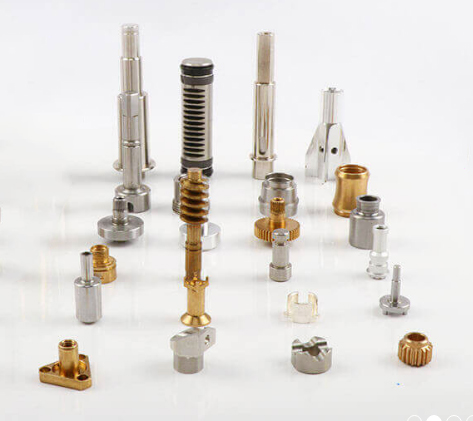
- Aluminum (e.g., 6061, 7075)
- Stainless Steel (e.g., 304, 316)
- Carbon Steel
- Brass and Copper
- Plastics (ABS, POM, Nylon, PTFE)
Choosing the right material depends on strength, weight, cost, and application requirements.
Applications of CNC Machining
CNC machining is widely used across industries:
Aerospace / Automotive / Medical devices / Electronics / Industrial equipment
It is especially suitable for custom parts with tight tolerances and complex designs.
CNC Machining vs Traditional Machining
| Feature | CNC Machining | Traditional Machining |
| Control | Computer-controlled | Manual |
| Precision | High | Moderate |
| Efficiency | High | Low |
| Repeatability | Excellent | Limited |
CNC machining is ideal when:
- You need high precision parts
- Complex geometries are required
- Production consistency is critical
- You are producing prototypes or small-to-medium batches
。
CNC stands for Computer Numerical Control.
It depends on material, complexity, and quantity. However, it becomes cost-effective for precision parts and batch production.
Typically, CAD files such as STEP, IGES, or STL are required.
Conclusion
CNC machining is a reliable and efficient manufacturing method for producing high-quality custom parts. By understanding how it works and its advantages, you can better choose the right process for your project.
Get a Quote for Your CNC Parts?
Looking for a reliable CNC machining partner?
- Fast quotation within 24 hours
- Engineering support for design optimization
- High-quality custom CNC parts
Explore our precision CNC machining services or upload your design files to get a fast and accurate quote today!